


Today's energy needs go beyond drugs and short-term fixes. Many experts, researchers, and health-conscious customers prefer long-term cellular solutions than short-term fatigue treatments. SLU PP 332 Capsules optimize energy usage by targeting the metabolic processes that control cell energy production and consumption all day. These pills trigger biological systems that improve endurance and metabolic flexibility, unlike other energy products that employ caffeine or sugar. The chemical alters muscle and cell fuel use via receptors. It may change energy generation from scratch. Changes bodily processes instead of temporarily increasing them to improve energy. This is an unusual way to stay healthy and energetic. We must understand metabolic substrate selection, mitochondrial action, and cellular communication to understand SLU PP 332 Capsules. This article will explain why research organizations and biotechnology companies want this chemical to improve metabolic health and performance.

1.General Specification(in stock)
(1)API(Pure powder)
(2)Injection
(3)Capsules
(4)Tablets
2.Customization:
We will negotiate individually, OEM/ODM, No brand, for secience researching only.
Internal Code:KP-2-4/002
SLU-PP-332 CAS 303760-60-3
Molecular formula: C18H14N2O2
HS code: N/A
Molecular weight: 290.32
EINECS number: 218-362-5
Main market: USA, Australia, Brazil, Japan, Germany, Indonesia, UK, New Zealand , Canada etc.
Analysis: HPLC, LC-MS, HNMR
Technology support:R&D Dept.-2
We provide SLU-PP-332 capsules, please refer to the following website for detailed specifications and product information.
Product:https://www.kpeptide.com/bodybuilding-peptide/slu-pp-332-capsules.html

Cellular Energy Reprogramming: Activating Endurance-Like Pathways at the Molecular Level
Human cells create energy via complex networks that adapt to body needs. SLU PP 332 Capsules regulate metabolism via estrogen-related receptors (ERRs). Many energy-producing genes are receptor-controlled. They control cell energy like biological switches.
The ERR Activation Mechanism
The binding of SLU PP 332 to ERR receptors, especially ERRα and ERRγ subtypes, causes genetic changes similar to those seen in endurance athletes. This increases mitochondrial protein, aerobic enzyme, and metabolic transporter gene transcription. Instead of severe activity, receptor activation created a molecular signature like long-term aerobic training. ERR agonists raise PGC-1α levels, controlling mitochondrial biogenesis and oxidative capability, as per studies. Targeting these receptors may boost long-term energy supply instead of only causing spikes and falls.

Transcriptional Changes That Support Energy Production
Multiple energy balancing pathways are affected by SLU PP 332's transcriptional changes. Upregulating fatty acid oxidation genes helps cells use lipids for energy. Larger parts of the respiration chain simplify electron flow, creating ATP. These changes make the metabolic state appropriate for continual energy supply. This cell reshaping differs from stimulants. Cells build superior energy infrastructure with the medicine, not temporarily enhance machinery. Slowly altering gene expression and generating new proteins increases metabolism.
Sustained Adaptation Versus Acute Stimulation
You should distinguish metabolic resetting from acute stimulation. Traditional energy sources stress the body by expecting cells to work quickly alone. SLU PP 332 activates ERR, increasing metabolic capacity over time. Instead of short-term remedies that wear out, this may have long-term advantages. This is preferred by drug companies and research groups seeking biological optimization rather than forced activation to increase human performance. This method supports modern metabolic medicine's focus on cell health and responsiveness.

How Do SLU PP 332 Capsules Enhance Mitochondrial Output and Efficiency?
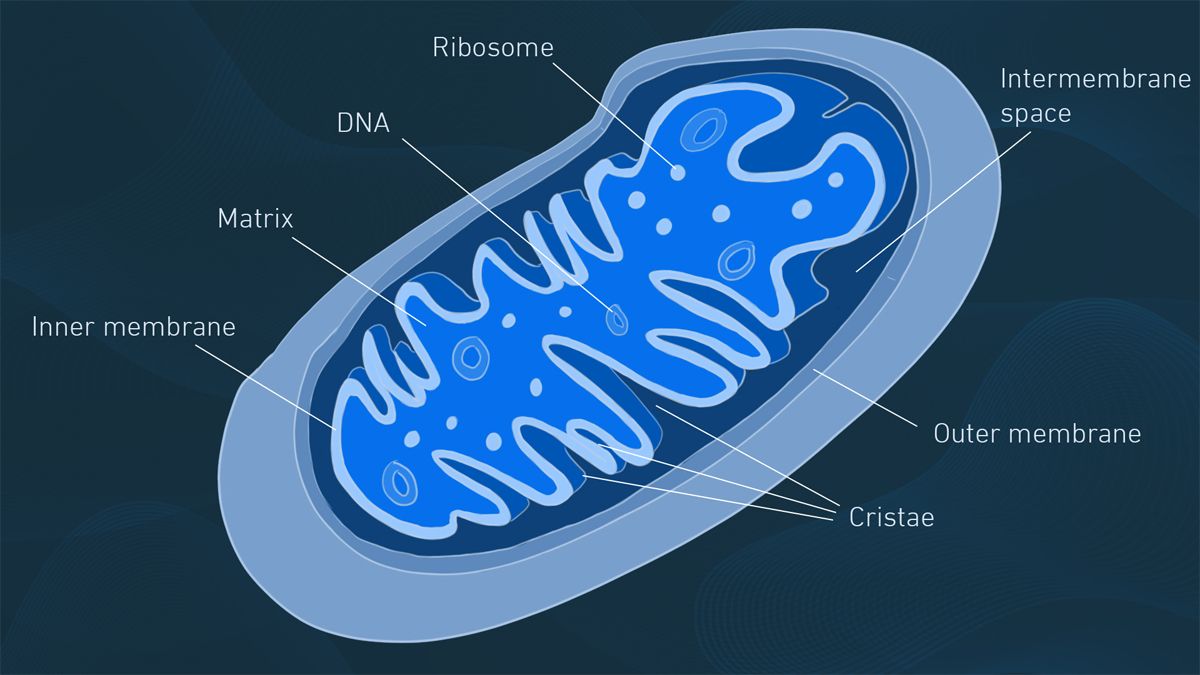
All living things need ATP, which mitochondria make. These parts' amount, quality, and efficiency determine cell energy storage. SLU PP 332 affects mitochondrial energy production in numerous ways.
Mitochondrial Biogenesis and Density Increases
ERR accelerates mitochondrial biogenesis, which makes new mitochondria. This method needs nuclear and mitochondrial gene expression simultaneously. Although mitochondria contain DNA, nucleus proteins dominate their structure and function. This intricate coordination is simplified by SLU PP 332, which activates regulatory pathways that sync both genetic systems. Energy-intensive tissues including the heart and skeletal muscle may grow mitochondria using ERR agonists, according to research. Oxidative metabolism increases with mitochondrial density, enabling cells to synthesize more ATP from resources. The development enhances energy after strenuous exercises or mental stress. Effects go beyond nanotechnology and metabolic treatment. More mitochondria improves cell energy. It may improve metabolic health and function.
Respiratory Chain Optimization and Electron Transport
SLU PP 332 increases mitochondria while improving quality and function. The chemical increases oxidative phosphorylation via respiratory chain complexes. Electron transport and proton pumping enhance with respiratory chain activity. These basic pathways make ATP. Reduces digestive energy loss. When respiration chains work correctly, fewer electrons leave too rapidly to form reactive oxygen species and more food energy becomes ATP. It's like switching from a less efficient engine to one that maximizes fuel combustion.
ATP Production Capacity and Energy Availability
Increased mitochondria and respiratory efficiency help cells produce ATP. Altering mitochondrial networks may increase energy production without fatigue or metabolic stress. You can focus, invigorate, or change your metabolism using this skill. CDMOs know mitochondrial-targeted medication development is tough. Manufacturing must be controlled and purified since even little impurities might alter receptor binding or biological effects.
Quality Control in Mitochondrial-Targeting Compounds
Making chemicals that impact mitochondrial activity has high criteria. Impurities or breakdown products may harm biological processes or have unforeseen effects. Pharmaceutical businesses using GMP-approved methods provide batch uniformity and quality for R&D. BLOOM TECH works with CFDA, US-FDA, PMDA, and EU-GMP facilities. A multi-country agreement provides good quality for mitochondrial-targeting pharmaceuticals like SLU PP 332.

Fat-to-Fuel Transition: Why Oxidative Metabolism Becomes More Dominant
Human metabolism is substrate-flexible. The availability and metabolism of carbs, lipids, and proteins determine its energy source. SLU PP 332 increases fat burning, which may favor fat-based energy. This metabolic change impacts long-term energy and metabolism.

Upregulation of Fat Oxidation Pathways
ERR promotes fat-burning enzymes. ERR agonists stimulate mitochondrial fatty acid entry regulator CPT1. Additional beta-oxidation enzymes break fatty acid chains independently. It facilitates lipid digestion. This molecule alters cells to burn fat. Good fat oxidation gives energy longer without carbohydrate consumption because fat molecules supply more energy per unit mass. Long-term exercisers burn fat well, therefore their metabolisms are similar.
Reduced Glycolytic Dependence and Energy Stability
More fat burning reduces glycolytic pathways, which quickly deplete glucose and glycogen. This metabolic change stabilizes blood sugar and reduces carbohydrate-induced energy swings. Despite glucose levels, metabolism burns fat to sustain output. Stabilization helps brain cells get steady energy for cognitive function and attention. Brain activity is governed by glucose, while metabolic flexibility permits fat breakdown ketone bodies as fuel. Long-term mental wellness comes from physiological flexibility.


Metabolic Flexibility as a Performance Advantage
Your metabolism is enhanced if you swap meals quickly. SLU PP 332 maintains healthy reactive pathways independent of diet, improving flexibility. Through metabolic flexibility, cells can adjust to energy and substrate availability and operate well under different situations. Metabolic therapy researchers know substrate flexibility indicates metabolic wellness. Pharmaceutical businesses like metabolically efficient and effective compounds.

Beyond Stimulants: Can Energy Be Improved Through Gene-Level Adaptation Instead?
It's clear stimulant-based energy products are problematic. Due to tolerance, reliance, sleep issues, and circulatory stress, biological adaptation alternatives to forced activation are explored to enhance energy. SLU PP 332 uses genes and metabolism instead of the nervous system to demonstrate this unique method.
Receptor-Mediated Adaptation Versus Neurochemical Forcing
Stimulants that boost catecholamine signals operate the sympathetic nervous system harder. Its initial benefits are offset by heart and lung stress, worry, tolerance accumulation, and rebound tiredness. The body gradually decreases receptor and counter-regulatory activity. SLU PP 332 changes gene expression by activating ERR via nuclear receptor signaling. This method boosts energy rather than demanding a response. The strategy excludes stimulant-induced stress and compensatory adaptations. This means that benefits may persist without tolerance.
The Absence of Crash Cycles
Energy crashes occur when stimulants wear off and the body's natural coping mechanisms take over. Nerves experience "rebound inhibition." As blood sugar drops, inhibited adenosine receptors open quickly. To overcome stimulant exhaustion, people need more stimulation, making them dependent. ERR stimulation alters metabolism. Avoid energy debt and crashes by improving cellular energy infrastructure instead of boosting output. Cell alterations improve energy gradually, unlike stimulants.
Sustainable Enhancement Through Biological Optimization
Gene-level adaptability meets the growing desire to permanently increase performance. This mentality doesn't strain bodies. Improves biology to expand capacity. Training an athlete enhances long-term ability, whereas adrenaline doses compel success temporarily. Pharmaceutical and scientific companies are studying biologically active compounds. This method boosts metabolism, not fatigue. This may prolong energy solutions.

From Cellular Activation to Daily Performance: What Defines True Energy Optimization?
True energy optimization extends beyond short-term gains. Also covered are long-term performance, quick recovery, metabolic health, and adaptability. SLU PP 332 affects these bigger energy production portions, therefore it may improve permanently.

Sustained Performance Capacity Throughout the Day
Performance is maintained without dosages or weariness with energy tweaking. ERR activation enhances mitochondria and metabolism for long-term ability by boosting energy production facilities. Better mitochondrial networks and oxygen pathways enable long-term cell function. This endurance is needed for long-term mental pursuits, physical activity, and energy upkeep throughout lengthy days. This metabolic basis promotes capacity, unlike stimulant-induced forced output
Efficient Recovery and Metabolic Restoration
Energy efficiency includes post-workout metabolic recovery. Better mitochondrial activity speeds recovery by eliminating cellular waste and producing ATP. Lactate and other metabolic byproducts from hard exercise break down faster with improved oxidation. In many cases, metabolic modifications like ERR stimulation improve recuperation, according to research. The improved metabolic gear facilitates energy-intensive work recovery.


Integration with Overall Metabolic Health
Both energy efficiency and metabolic wellbeing are linked. Increasing energy output while lowering metabolic balance is unsustainable. Mitochondrial activity, oxidative capability, and substrate flexibility affect SLU PP 332 function. All relate to metabolism. Drug businesses and research institutions pursue compounds that enhance metabolic health rather than treating symptoms due to this integration. Energy metabolism influences cell health and metabolic function, hence the approach accounts for it.
Adaptive Resilience to Varying Demands
Optimization of energy metabolism shows stress and strain tolerance. Fuel efficiency, metabolic flexibility, and strong mitochondrial networks facilitate this transformation. Cellularly tuned systems may adapt to numerous situations. True metabolic efficiency is resilient, not short-term forced performance. True optimization enhances the system's natural abilities, enabling it to adapt to different needs rather than just using resources faster.

Conclusion
Scientists prescribe SLU PP 332 Capsules for energy increases since they transform cells, not just stimulate them. To meet cellular energy needs, this chemical activates ERR systems that regulate mitochondrial activity, oxidative capability, and metabolic flexibility. Changes resemble long-term endurance training. It may provide long-term benefits without the side effects of stimulant medications. The cellular and metabolic benefits of SLU PP 332 include prolonged energy availability throughout hard days, better cognitive or physical performance, recuperation efficiency, and metabolic resilience. These findings are from energy production system optimization, not capacity usage. SLU PP 332 may provide potential for molecular tailoring to optimize cell energy use as scientists study complicated pathways. This approach fits modern metabolic medicine, which values long-term progress, healthy cells, and change above short-term performance.
FAQ
Q1: How does SLU PP 332 differ from caffeine or other common energy supplements?
SLU PP 332 activates nuclear receptors to improve cell energy systems by affecting genes and metabolism. Stimulants like caffeine engage the nervous system without boosting metabolism. SLU PP 332 may deliver long-term benefits without resistance, crashes, or steroid-induced cardiac stress because to this basic difference. The chemical impacts genetic and metabolic energy generation, not system performance.
Q2: What types of organizations typically use SLU PP 332 for research applications?
SLU PP 332 is used by pharmaceutical CDMOs, biotechnology businesses, research institutes, and pharmaceutical corporations exploring metabolic treatments and performance improvement. The chemical process explains ERR receptors, mitochondria expansion, metabolic flexibility, and performance enhancement. For accurate conclusions, research-grade material must be very pure (≥98%), have a comprehensive chemical profile, and have consistent batch quality.
Q3: How long does it typically take to experience effects from SLU PP 332 supplementation?
SLU PP 332 gradually alters metabolism by increasing gene expression and cellular machinery, unlike stimulants. Effects usually show between days to weeks when mitochondria, oxidative enzymes, and metabolic pathways evolve. Cells alter physiologically to improve metabolism: new proteins and cell architectures take time. Slow beginnings lead to long-term changes, not forced performance.
Looking for a Reliable SLU PP 332 Capsules Supplier? Partner with BLOOM TECH
Over 12 years, Shaanxi BLOOM TECH Co., Ltd. has provided 24 large global biotechnology and pharmaceutical businesses with organic synthesis and intermediates. Our combined GMP facilities have CFDA, US-FDA, PMDA, MFDS, and EU approvals. SLU PP 332 Capsules include pharmaceutical-grade substances. Our R&D services include analytical documentation, batch consistency validation, and legal help. Our quality control includes plant testing, QA/QC analysis, and third-party verification. Compliance is ensured by strict purity and characterisation standards for pharmaceutical research. The lab synthesis to mass production of SLU PP 332 Capsules is transparent, with precise lead times. Contact our professional team at Sales@bloomtechz.com to talk about your unique needs and experience the quality and dependability that make BLOOM TECH stand out in the global pharmaceutical supply chain.
References
1. Giguère V. Transcriptional control of energy homeostasis by the estrogen-related receptors. Endocrine Reviews. 2008;29(6):677-696.
2. Huss JM, Kopp RP, Kelly DP. Peroxisome proliferator-activated receptor coactivator-1α (PGC-1α) coactivates the cardiac-enriched nuclear receptors estrogen-related receptor-α and -γ. Journal of Biological Chemistry. 2002;277(43):40265-40274.
3. Rangwala SM, Wang X, Calvo JA, et al. Estrogen-related receptor gamma is a key regulator of muscle mitochondrial activity and oxidative capacity. Journal of Biological Chemistry. 2010;285(29):22619-22629.
4. Schreiber SN, Emter R, Hock MB, et al. The estrogen-related receptor α (ERRα) functions in PPARγ coactivator 1α (PGC-1α)-induced mitochondrial biogenesis. Proceedings of the National Academy of Sciences. 2004;101(17):6472-6477.
5. Villena JA, Kralli A. ERRα: a metabolic function for the oldest orphan. Trends in Endocrinology and Metabolism. 2008;19(8):269-276.
6. Wei W, Schwaid AG, Wang X, et al. Ligand activation of ERRα by cholesterol mediates statin and bisphosphonate effects. Cell Metabolism. 2016;23(3):479-491.


