

GHK-Cu, a naturally occurring copper complex peptide, has drawn significant attention in the health and skincare industries. As a supplier of GHK-Cu tablets, I am often asked about the mechanism of action of this remarkable compound. In this blog post, I will delve into the scientific details of how GHK-Cu tablets work and their potential benefits.
1.General Specification(in stock)
(2)Tablets
(3)Capsules
(4)Gummies
(5)API(Pure powder)
(6)Cream
(7)Drops
2.Customization:
We will negotiate individually, OEM/ODM, No brand, for secience researching only.
Internal Code: KP-1-5/002
GHK-Cu: CAS 49557-75-7
Analysis: HPLC, LC-MS, HNMR
Technology support: R&D Dept.-4
HS code: 29144090
Main market: USA, Australia, Brazil, Japan, Germany, Indonesia, UK, New Zealand , Canada etc.
Manufacturer: BLOOM TECH Wuxi Factory
Technology service: R&D Dept.-2
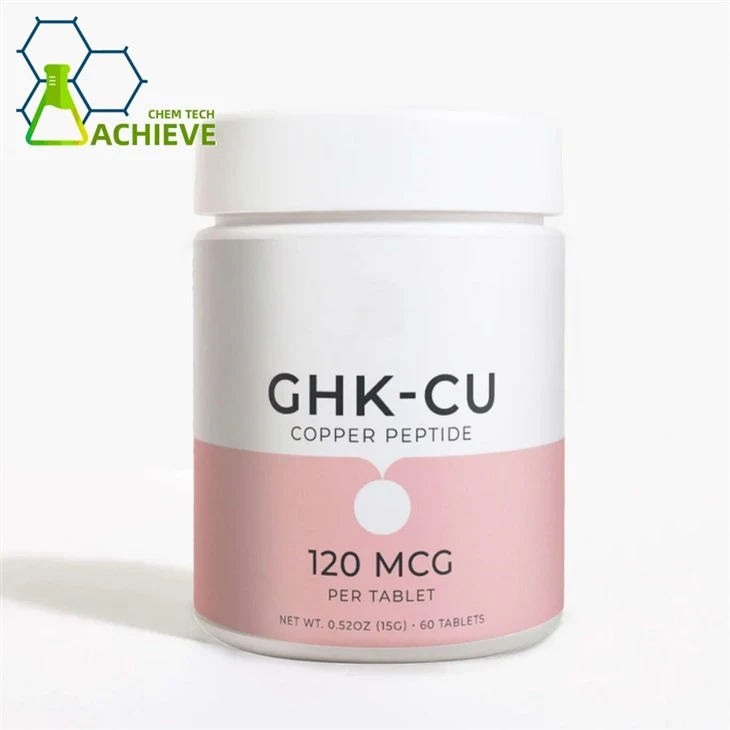
We provide GHK-Cu tablets, please refer to the following website for detailed specifications and product information.
Product: https://www.kpeptide.com/skincare-peptide/ghk-cu-tablet.html
The Basics of GHK-Cu
GHK-Cu consists of a tripeptide (Glycyl-L-Histidyl-L-Lysine) bound to a copper ion. This complex is present in human plasma, with its concentration decreasing with age. It was first discovered in the 1970s by Dr. Loren Pickart, who noted its ability to stimulate collagen synthesis in skin fibroblasts. Since then, extensive research has been conducted to understand its multifaceted effects on the body.
Mechanisms of Action
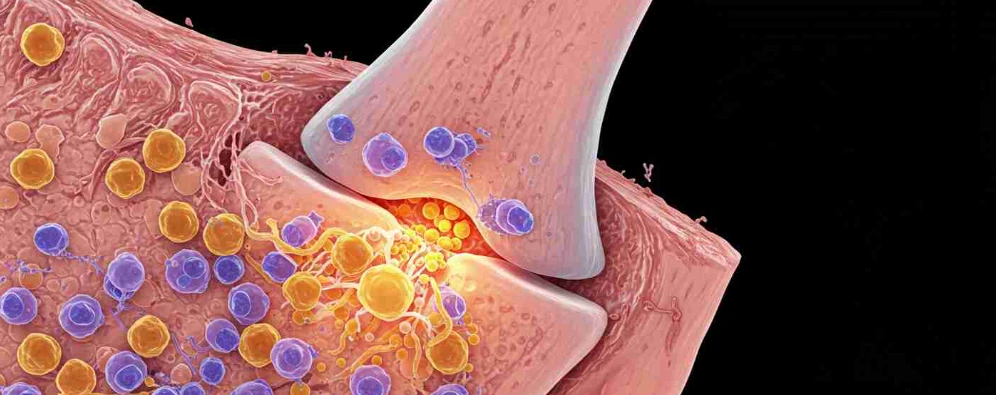
One of the primary mechanisms of GHK-Cu is its role in tissue repair and regeneration. When applied or ingested, GHK-Cu can bind to specific receptors on cells, triggering a cascade of events that promote the growth and repair of various tissues.Collagen and Elastin Synthesis: GHK-Cu stimulates the production of collagen and elastin, two essential proteins for maintaining the structure and elasticity of the skin, tendons, and other connective tissues. Collagen provides strength, while elastin allows tissues to stretch and recoil.
As we age, the production of these proteins declines, leading to wrinkles, sagging skin, and joint stiffness. By promoting their synthesis, GHK-Cu can help reverse these signs of aging and improve tissue function.
Cell Proliferation and Migration: GHK-Cu also promotes the proliferation and migration of cells involved in tissue repair, such as fibroblasts, endothelial cells, and keratinocytes. Fibroblasts are responsible for producing collagen and other extracellular matrix components, while endothelial cells form blood vessels, and keratinocytes are the main cells of the epidermis. By enhancing the activity of these cells, GHK-Cu can accelerate the healing process and improve the quality of the repaired tissue.
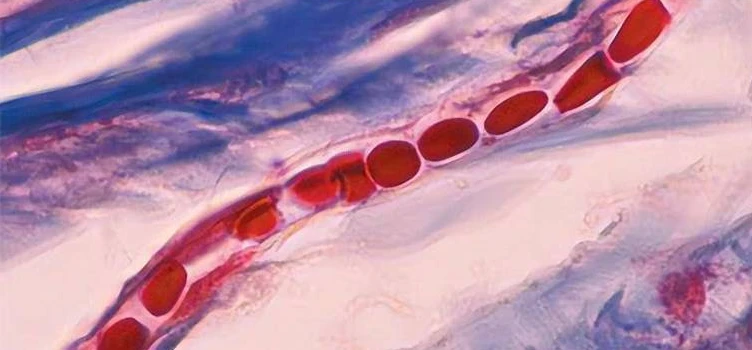

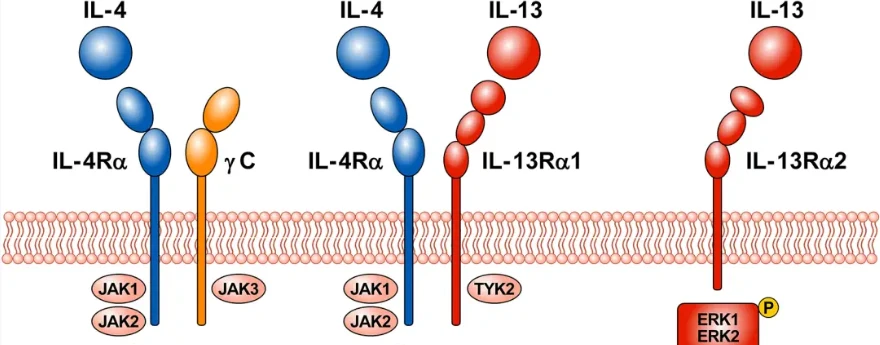
Inflammation is a natural response of the body to injury or infection, but chronic inflammation can contribute to various diseases, including arthritis, cardiovascular disease, and cancer. GHK-Cu has been shown to have anti-inflammatory properties, which can help reduce inflammation and its associated symptoms.Modulation of Cytokine Production: GHK-Cu can modulate the production of cytokines, which are signaling molecules that play a crucial role in the immune response. It can reduce the production of pro-inflammatory cytokines, such as interleukin-1 (IL-1), interleukin-6 (IL-6), and tumor necrosis factor-alpha (TNF-α), while increasing the production of anti-inflammatory cytokines, such as interleukin-10 (IL-10).
This balance helps to dampen the inflammatory response and promote tissue repair.
Antioxidant Activity: GHK-Cu also has antioxidant properties, which can help protect cells from oxidative stress. Oxidative stress occurs when there is an imbalance between the production of reactive oxygen species (ROS) and the body's antioxidant defenses. ROS can damage cells and contribute to the development of various diseases. By scavenging ROS, GHK-Cu can help reduce oxidative stress and protect cells from damage.

In addition to its effects on tissue repair and inflammation, GHK-Cu has also been shown to have neuroprotective properties. It can protect neurons from damage and promote their survival, which may have implications for the treatment of neurodegenerative diseases, such as Alzheimer's and Parkinson's disease.
Enhancement of Neurotrophic Factor Production: GHK-Cu can enhance the production of neurotrophic factors, such as brain-derived neurotrophic factor (BDNF) and nerve growth factor (NGF). These factors play a crucial role in the growth, survival, and function of neurons. By increasing their production, GHK-Cu can help protect neurons from damage and promote their regeneration.
Reduction of Oxidative Stress and Inflammation in the Brain: GHK-Cu can also reduce oxidative stress and inflammation in the brain, which are common features of neurodegenerative diseases. By scavenging ROS and modulating the production of cytokines, GHK-Cu can help protect neurons from damage and improve their function.

Potential Benefits of GHK-Cu Tablets
Based on its mechanisms of action, GHK-Cu tablets may offer several potential benefits, including:
Improved Skin Health:
GHK-Cu can help improve the appearance of the skin by reducing wrinkles, improving skin elasticity, and promoting a more youthful complexion. It can also help repair damaged skin and reduce the risk of skin infections.
Joint Health:
GHK-Cu can help reduce joint pain and inflammation, improve joint mobility, and promote the repair of damaged cartilage. It may be beneficial for people with arthritis and other joint disorders.
Cardiovascular Health:
GHK-Cu can help reduce inflammation and oxidative stress in the blood vessels, which can help prevent the development of cardiovascular diseases, such as atherosclerosis and heart disease.
Neuroprotection:
GHK-Cu can help protect neurons from damage and promote their survival, which may have implications for the treatment of neurodegenerative diseases, such as Alzheimer's and Parkinson's disease.
Other Related Products
In addition to GHK-Cu tablets, we also offer other related products that may complement the effects of GHK-Cu. For example, best nad+ gummies are a convenient way to boost NAD+ levels in the body, which can help improve energy metabolism and cellular function. Best Nad nasal spray is another option for increasing NAD+ levels, with the advantage of rapid absorption through the nasal mucosa. And BPC 157 peptide powderis a peptide that has been shown to have potent tissue repair and regenerative properties, which can work synergistically with GHK-Cu to enhance its effects.


Conclusion
GHK-Cu tablets offer a promising approach to promoting tissue repair, reducing inflammation, and protecting against various diseases. As a supplier of GHK-Cu tablets, we are committed to providing high-quality products that are backed by scientific research. If you are interested in learning more about GHK-Cu tablets or our other products, please feel free to contact us for a purchase consultation. We look forward to helping you achieve your health and wellness goals.
References
- Pickart, L. M. (1982). Copper-peptide GHK in human plasma. Journal of Biological Chemistry, 257(12), 6784-6789.
- Brem, H., & Tomic-Canic, M. (2007). Cellular and molecular basis of wound healing in diabetes. Journal of Clinical Investigation, 117(5), 1219-1222.
- Proctor, A., & Gamelli, R. L. (2004). The role of growth factors in wound healing. World Journal of Surgery, 28(4), 386-390.
- Maher, P. (2001). Neurotrophic factors and neuronal survival. Current Opinion in Neurobiology, 11(1), 29-34.


