



Semaglutide Gummies have gained significant popularity in recent times, primarily due to their potential benefits in managing blood sugar levels and aiding in weight loss. As a supplier of Semaglutide Gummies, I often receive inquiries from customers about the compatibility of these gummies with other medications. In this blog, we will explore the safety and potential interactions when taking Semaglutide Gummies alongside other drugs.

Semaglutide Gummies
1.General Specification(in stock)
(1)API(Pure powder)
(2)Injection
(3)Capsules
(4)Tablets
(5)Gummies
(6)Spray
2.Customization:
We will negotiate individually, OEM/ODM, No brand, for secience researching only.
Semaglutide CAS 910463-68-2
Main market: USA, Australia, Brazil, Japan, Germany, Indonesia, UK, New Zealand , Canada etc.
Analysis: HPLC, LC-MS, HNMR
Technology support:R&D Dept.-2
We provide semaglutide gummies, please refer to the following website for detailed specifications and product information.
Product:https://www.kpeptide.com/bodybuilding-peptide/semaglutide-gummies.html

Understanding Semaglutide Gummies
Semaglutide is a glucagon - like peptide - 1 (GLP - 1) receptor agonist. It works by mimicking the action of the GLP - 1 hormone, which is released in response to food intake. GLP - 1 helps regulate blood sugar levels by increasing insulin secretion, reducing glucagon release, and slowing down gastric emptying. The gummy form of semaglutide offers a convenient and palatable way for patients to take this medication.
General Considerations for Combining Medications
Before considering taking Semaglutide Gummies with other medications, it is crucial to understand that drug interactions can occur. These interactions can either enhance or reduce the effectiveness of a drug, or they can cause unwanted side effects. Some factors that influence drug interactions include the mechanism of action of the drugs, their metabolism in the body, and the dosage.

Commonly Prescribed Medications and Their Interactions with Semaglutide Gummies

Oral Hypoglycemic Agents
Many patients with type 2 diabetes are already taking oral hypoglycemic agents such as metformin, sulfonylureas, or DPP - 4 inhibitors. When combined with Semaglutide Gummies, these drugs may have an additive effect on blood sugar control. However, there is also an increased risk of hypoglycemia (low blood sugar). Patients should closely monitor their blood sugar levels and consult their healthcare provider about adjusting the dosage of their oral hypoglycemic agents.
Insulin
Combining Semaglutide Gummies with insulin also requires careful monitoring. Both semaglutide and insulin lower blood sugar levels, so the risk of hypoglycemia is significant. Healthcare providers may need to adjust the insulin dosage to prevent this complication. Additionally, the slow gastric emptying effect of semaglutide can affect the absorption of insulin, further complicating the management of blood sugar levels.


Blood Pressure Medications
Some blood pressure medications, such as angiotensin - converting enzyme (ACE) inhibitors, angiotensin II receptor blockers (ARBs), and calcium channel blockers, are generally safe to take with Semaglutide Gummies. However, in rare cases, there may be an additive effect on blood pressure, leading to hypotension (low blood pressure). Patients should monitor their blood pressure regularly and report any significant changes to their doctor.
Lipid - Lowering Medications
Statins are commonly prescribed to lower cholesterol levels. There is currently no evidence of significant interactions between Semaglutide Gummies and statins. However, as with any combination of medications, patients should inform their healthcare provider about all the drugs they are taking to ensure safety.


Specific Medications and Their Interaction Risks
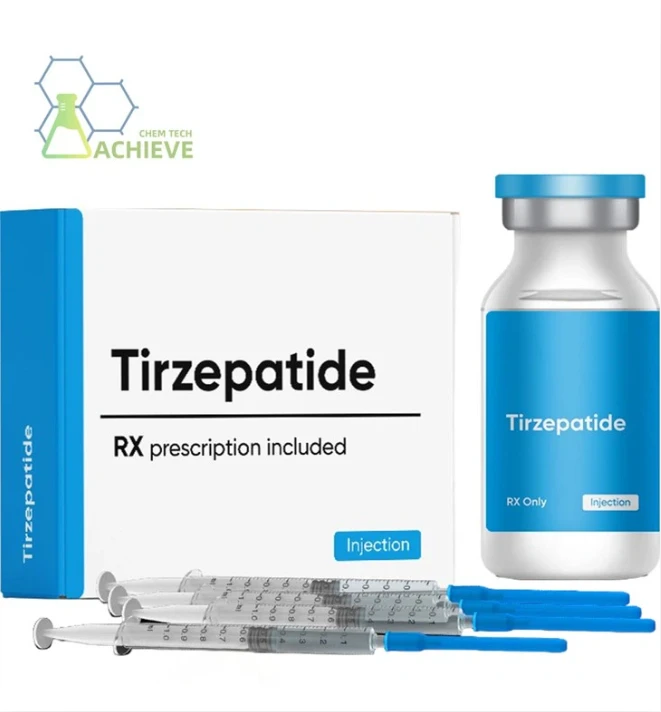
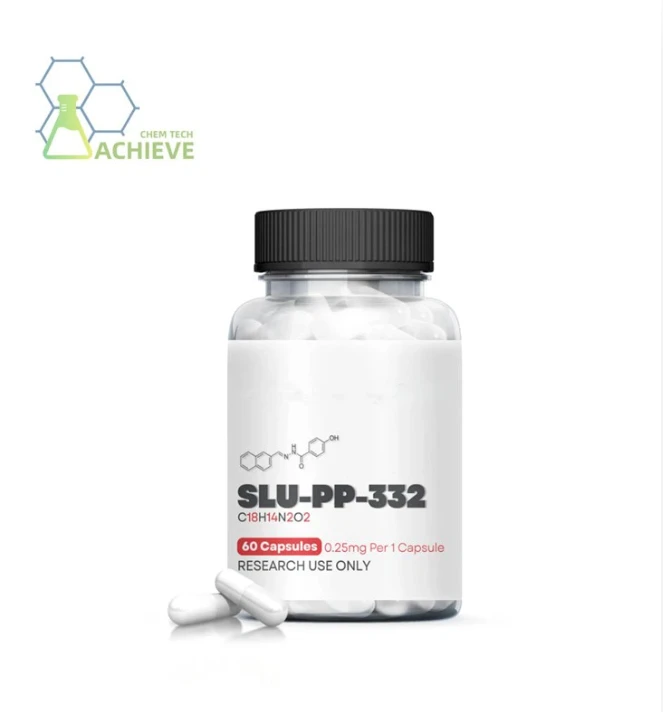

Tirzepatide Injection 2.5 Mg
Tirzepatide is another GLP - 1 receptor agonist, similar to semaglutide. Combining Semaglutide Gummies with Tirzepatide Injection 2.5 Mg is not recommended. Both drugs have similar mechanisms of action, and taking them together can increase the risk of side effects such as nausea, vomiting, and diarrhea. Moreover, the combined effect on blood sugar and weight loss may be too potent, leading to an increased risk of hypoglycemia and other complications.
The information about SLU PP 332 Capsules is relatively limited. However, as a general rule, any new medication should be carefully evaluated for potential interactions with Semaglutide Gummies. Patients should consult their healthcare provider before starting SLU PP 332 Capsules while taking Semaglutide Gummies.
Safety Precautions

Consult a Healthcare Provider: Before starting Semaglutide Gummies or combining them with other medications, patients should consult their healthcare provider. A doctor can assess the patient's medical history, current medications, and overall health to determine the safety of the combination.
Read Medication Labels: Patients should carefully read the labels of all medications they are taking, including Semaglutide Gummies. The labels may contain information about potential interactions and warnings.
Monitor for Side Effects: Patients should be vigilant for any new or worsening side effects when taking Semaglutide Gummies with other medications. Common side effects of semaglutide include nausea, vomiting, diarrhea, and abdominal pain. If these side effects are severe or persistent, patients should contact their healthcare provider.
Conclusion
In conclusion, while Semaglutide Gummies can be an effective treatment for managing blood sugar levels and aiding in weight loss, it is essential to be cautious when combining them with other medications. The potential for drug interactions exists, and patients should always consult their healthcare provider before starting any new medication. As a supplier of Semaglutide Gummies, I am committed to providing high - quality products and ensuring the safety of our customers. If you are interested in purchasing Semaglutide Gummies or have any questions about their compatibility with other medications, please feel free to contact us for further discussion and potential procurement.

References
- American Diabetes Association. Standards of Medical Care in Diabetes - 2023. Diabetes Care. 2023;46(Suppl 1):S1 - S254.
- National Institute of Diabetes and Digestive and Kidney Diseases. Medications to Treat Type 2 Diabetes. Available at: https://www.niddk.nih.gov/health - information/diabetes/overview/treatment/medications - type - 2 - diabetes. Accessed [date].


