



Thymalfasin is a peptide composed of 28 amino acids, belonging to immunomodulatory drugs, with a wide range of biological activities and clinical application value. It was originally extracted from pig thymus and is now mostly produced through chemical synthesis or genetic recombination technology to ensure consistency with the chemical and spatial structure of human natural thymosin alpha 1.
This substance exerts therapeutic effects by regulating the immune system, promoting T cell differentiation and maturation from stem cells, and enhancing its antiviral and anti-tumor activity. Increase the ability of T cells to secrete lymphokines (such as interferon alpha, gamma, interleukin 2, 3) after antigen or mitogen activation. It can also increase the level of lymphokine receptors on the surface of T cells.
Our Products Description
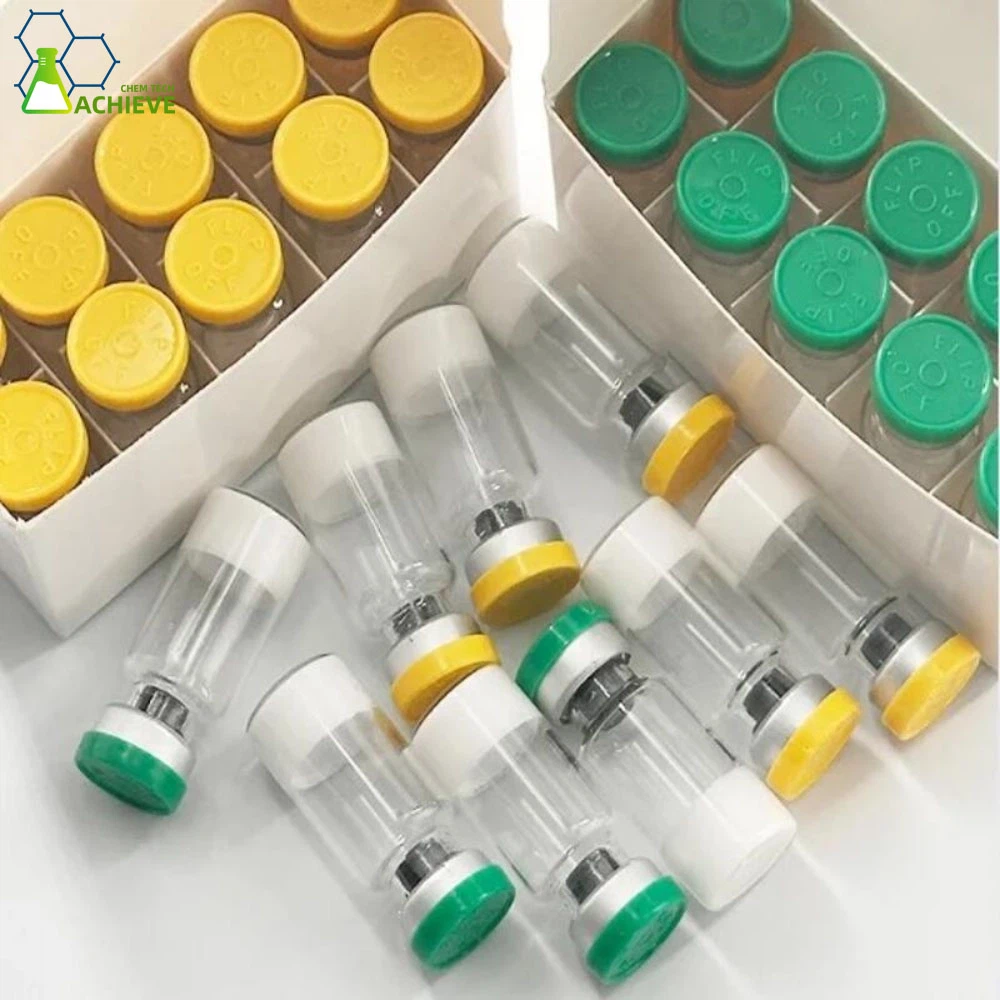
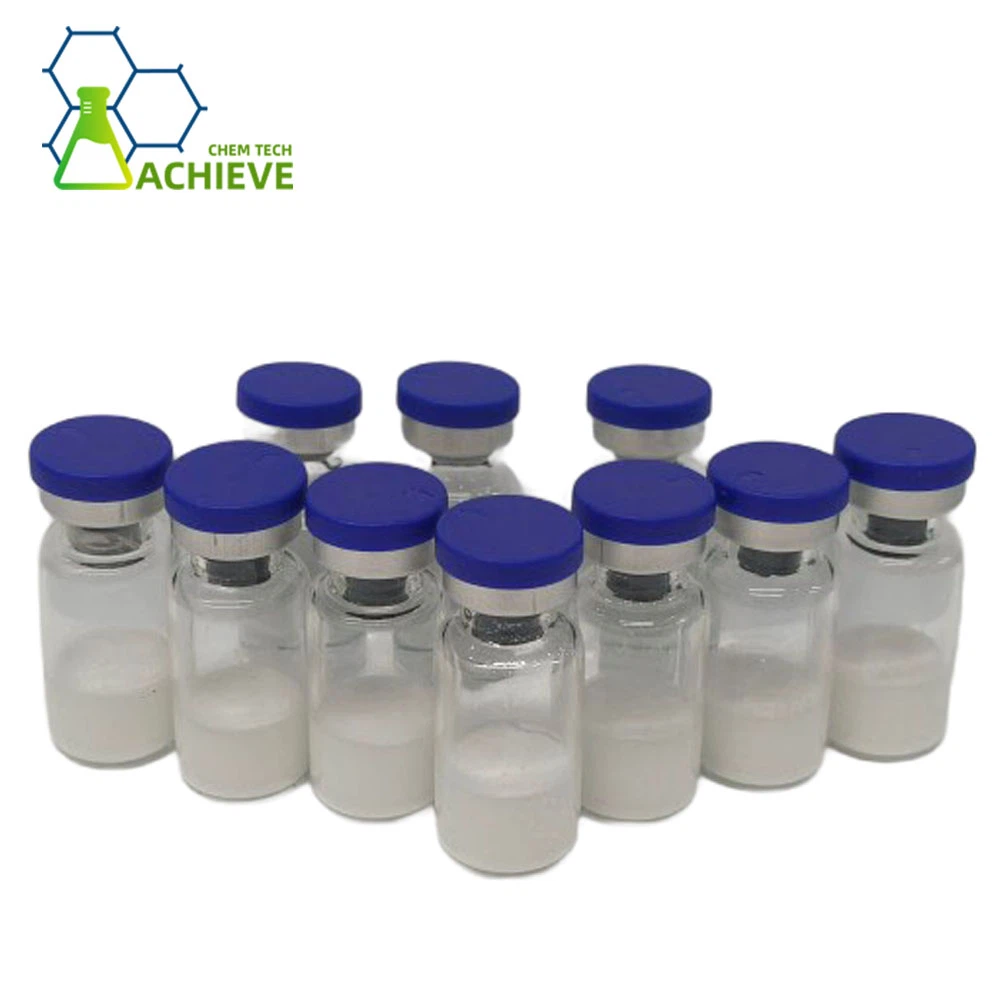


Thymalfasin COA
 |
||
| Certificate of Analysis | ||
| Compound name | Thymalfasin | |
| Grade | Pharmaceutical grade | |
| CAS No. | 69440-99-9 | |
| Quantity | 15g | |
| Packaging standard | PE bag+Al foil bag | |
| Manufacturer | Shaanxi BLOOM TECH Co., Ltd | |
| Lot No. | 202601090061 | |
| MFG | Jan 9th 2026 | |
| EXP | Jan 8th 2029 | |
| Structure |
|
|
| Item | Enterprise standard | Analysis result |
| Appearance | White or almost white powder | Conformed |
| Water content | ≤5.0% | 0.51% |
| Loss on drying | ≤1.0% | 0.46% |
| Heavy Metals | Pb≤0.5ppm | N.D. |
| As≤0.5ppm | N.D. | |
| Hg≤0.5ppm | N.D. | |
| Cd≤0.5ppm | N.D. | |
| Purity (HPLC) | ≥99.0% | 99.90% |
| Single impurity | <0.8% | 0.61% |
| Total microbial count | ≤750cfu/g | 170 |
| E. Coli | ≤2MPN/g | N.D. |
| Salmonella | N.D. | N.D. |
| Ethanol (by GC) | ≤5000ppm | 400ppm |
| Storage | Store in a sealed, dark, and dry place below 2-8°C | |
|
|
||
|
|
||
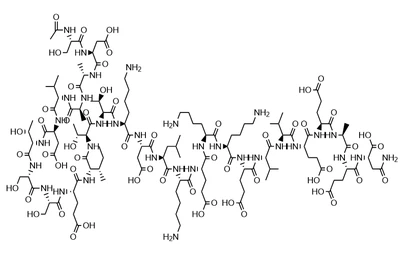
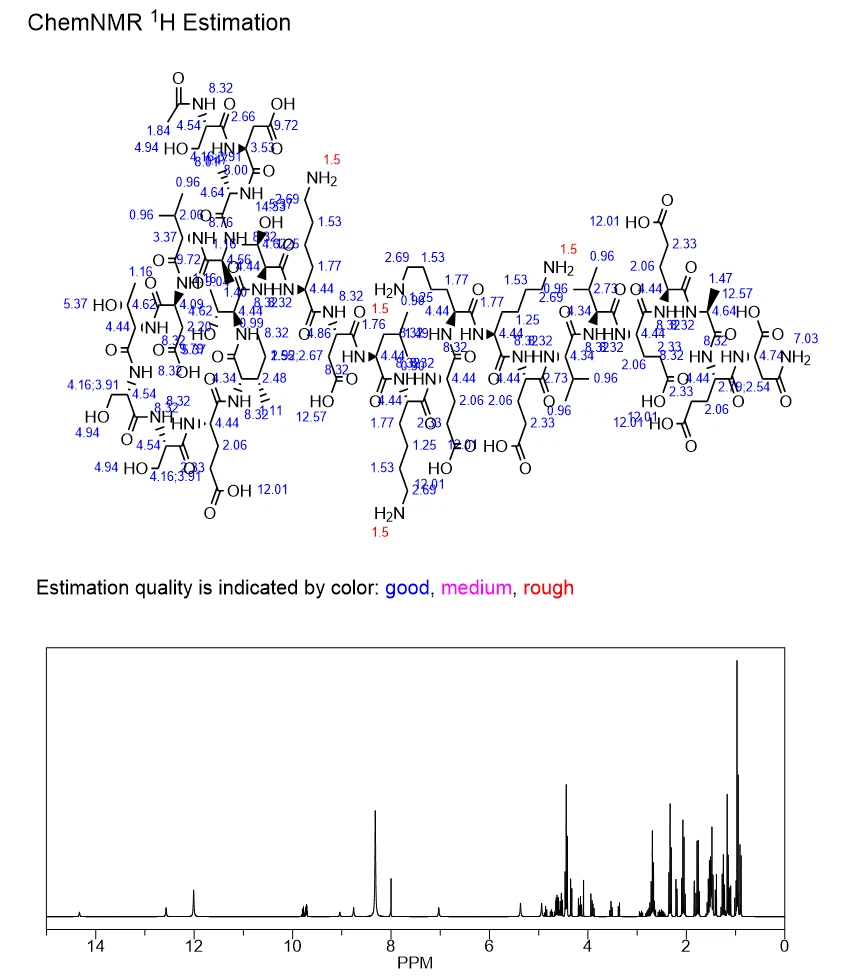
| Chemical Formula | C129H215N33O55 |
| Exact Mass | 3106.50 |
| Molecular Weight | 3108.32 |
| m/z | 3107.51 (100.0%), 3106.50 (71.7%), 3108.51 (69.2%), 3109.51 (23.5%), 3109.51 (11.3%), 3107.50 (8.7%), 3109.51 (8.2%), 3108.51 (8.1%), 3110.52 (7.8%), 3108.50 (7.4%), 3109.51 (6.6%), 3110.52 (6.0%), 3110.52 (4.8%), 3108.50 (4.8%), 3111.52 (2.9%), 3111.52 (2.7%), 3108.51 (2.5%), 3110.51 (2.2%), 3108.51 (2.1%), 3109.51 (1.9%), 3107.51 (1.8%), 3110.51 (1.7%), 3107.51 (1.5%) |
| Elemental Analysis | C, 49.85; H, 6.97; N, 14.87; O, 28.31 |
Thymalfasin(Thymosin alpha 1,T α 1) is an artificially synthesized immune regulatory peptide composed of 28 amino acids, which is structurally identical to the natural human thymosin alpha 1. It exerts a broad-spectrum immune regulatory effect by precisely regulating the differentiation and maturation of T lymphocytes, enhancing the activity of NK cells and dendritic cells, balancing the cytokine network, repairing immune homeostasis, and other core mechanisms. Its clinical applications cover multiple fields such as chronic hepatitis B, severe infections, tumor immune support, vaccine response enhancement, liver failure, COVID-19, etc. It has dual therapeutic and preventive values and is the core drug for clinical immune regulation therapy.
Basic Overview and Pharmacological Mechanisms
T α 1 is a chemically synthesized high-purity peptide with N-terminal acetylation, a 28 amino acid sequence, and a molecular weight of 3108.28. It has the same structure and activity as the endogenous thymosin α 1 in the human body. The preparation is freeze-dried powder for injection (1.6mg/vial), administered subcutaneously with a half-life of approximately 1.65 hours. It has good tolerability and no significant toxic side effects.

Core pharmacological mechanism of action

Thymolfasin is a precise "regulator" of the immune system, rather than a simple immune enhancer, with the following core mechanisms:
Promote T cell differentiation and maturation: stimulate thymic precursor cells and peripheral lymphocytes to differentiate into CD3+, CD4+, CD8+functional T cells, promote Th0 polarization towards Th1, and enhance cellular immunity.
Enhance effector cell activity: improve NK cell toxicity, dendritic cell (DC) antigen presentation ability, macrophage phagocytic function, and enhance immune surveillance.
Regulating cytokine network: promoting the secretion of antiviral/anti-tumor factors such as IFN - α/γ, IL-2, IL-3, inhibiting pro-inflammatory factors such as TNF - α, IL-1 β, IL-6, and balancing immune response.
Repair immune homeostasis: Reverse immune suppression under pathological conditions, moderately suppress excessive immunity in autoimmune diseases, and achieve bidirectional regulation.
Anti apoptosis and tissue protection: Inhibit immune cell and liver cell apoptosis, alleviate oxidative stress and endoplasmic reticulum stress, and protect organ function.
Characteristics of drug action
High purity, high activity: artificially synthesized, structurally clear, free of animal derived impurities, no need for skin testing.
Strong targeting: It preferentially acts on target tissues such as immune cells, liver, and lungs, without causing damage to normal tissues.
High safety: No bone marrow suppression, hepatorenal toxicity, and only mild redness and swelling at the injection site.
Good synergy: significantly enhances efficacy when combined with antiviral drugs, chemotherapy drugs, and immune checkpoint inhibitors.
Reference information source:
- Molecular mechanism study of Exenatide regulating liver circadian rhythm. Chinese Pharmacological Bulletin, 2024
- The GLP-1 receptor agonist, Exenatide, Administration Time Differentially Affects Circadian Rhythms in Diabetic db/db Mice. University of Kentucky College of Medicine, 2024
- The mechanism by which exenatide inhibits pyroptosis and improves hepatic insulin resistance through PPAR δ inhibition. BioTech, 2026
Core uses in the treatment of chronic hepatitis B (CHB)
The core of chronic hepatitis B is the continuous replication of HBV and low host immune function: HBV induces T cell depletion, Th1/Th2 imbalance, DC dysfunction, immune tolerance, leading to the inability to clear the virus and continuous progression of liver damage. Thymolfasin achieves virological and serological responses by repairing anti HBV immunity.
Core uses and effects of treating CHB
Single drug treatment for CHB
Indications: chronic hepatitis B patients over 18 years old with compensatory liver disease, positive HBV DNA and elevated ALT.
Effect: After 12 months of treatment, HBV-DNA negative conversion rate is 40%~50%, ALT normalization rate is 60%~70%, HBeAg serum conversion rate is 20%~30%, and some patients achieve HBsAg clearance.
Characteristics: Long response, no drug resistance, low recurrence rate after discontinuation.
Combined nucleoside (nucleotide) analogues (NA)
Mechanism: Thymolfasin repairs immunity and effectively inhibits virus replication through NA, synergistically clearing HBV.
Effect: HBV-DNA negative conversion rate increased to 70%~80%, HBeAg conversion rate increased to 30%~40%, reducing the risk of cirrhosis and liver cancer.
Advantages: Shorten treatment duration, reduce NA resistance, and promote immune reconstitution.
Combined interferon alpha (IFN - α)
Mechanism: Thymolfasin enhances the immune activation effect of IFN - α, while IFN - α enhances the antiviral activity of Thymolfasin.
Effect: HBsAg clearance rate reaches 15%~25% (single drug only 5%~10%), and immune function is significantly improved.
Treatment of hepatitis B associated liver failure (HBV-ACLF)
Purpose: To reduce the secondary infection rate, improve liver function, and increase survival rate in patients with advanced liver failure.
Mechanism: Inhibit hepatocyte apoptosis, alleviate inflammatory storm, repair intrahepatic immunity, and prevent and treat infection complications.
Clinical value
Thymalfasin is the only hepatitis B treatment drug that has the synergistic effect of immune regulation and anti-virus. It breaks through the limitation of traditional drugs that only inhibit virus replication, repairs anti HBV immunity from the root, and realizes the triple benefit of "virus elimination+immune reconstruction+liver protection".
Reference information source:
- Exenatide ameliorates hepatic steatosis and attenuates fat mass and FTO gene expression through PI3K signaling pathway in nonalcoholic fatty liver disease. PMC, 2024
- Exenatide Attenuates Non-Alcoholic Steatohepatitis by Inhibiting the Pyroptosis Signaling Pathway. Frontiers in Endocrinology, 2021
- The regulatory effect and clinical significance of GLP-1 receptor agonists on liver circadian rhythm. Chinese Journal of Endocrinology and Metabolism, 2024
Therapeutic use in severe infections and sepsis
The core of severe infections such as sepsis, severe pneumonia, and sepsis is immune paralysis+inflammatory storm: pathogens induce immune cell apoptosis, T cell depletion, excessive secretion of anti-inflammatory factor (IL-10), and the outbreak of pro-inflammatory factors, leading to multiple organ failure (MODS). Thymolfasin rapidly reverses immune paralysis, balances inflammatory responses, and reduces mortality rates from severe infections.
Core clinical applications
Sepsis and septic shock
Indications: Patients with sepsis accompanied by acute organ dysfunction and septic shock.
Effect: 28 day mortality rate reduced by 20% to 30%, organ function recovery time shortened, and ICU stay reduced.
Mechanism: Reversing immune paralysis, inhibiting inflammatory storms, protecting vascular endothelium, and reducing organ damage.
Severe pneumonia (including COVID-19)
COVID-19: Early use reduces the incidence of severe illness, shortens hospitalization time, promotes lung function recovery, and reduces mortality.
Bacterial severe pneumonia: enhances lung immunity, accelerates pathogen clearance, and reduces the risk of respiratory failure.
Prevention and treatment of infection in chronic hemodialysis patients
Purpose: To reduce the incidence of lung, urinary tract, and catheter-related infections in dialysis patients.
Effect: The infection rate is reduced by 50% to 60%, the number of hospitalizations is reduced, and the quality of life is improved.
Postoperative severe infection
Applicable to high-risk infection patients after major surgery and tumor surgery.
Effect: Postoperative infection rate is reduced by 40% to 50%, incision healing is accelerated, and complications are reduced.
Advantages of Function
Rapid onset: Medication significantly improves immune indicators (CD4+, CD4+/CD8+ratio) within 3-5 days.
Dual regulation: Simultaneously inhibiting inflammatory storms and reversing immune paralysis, blocking the vicious cycle of infection pathology.
Organ protection: Reduce damage to organs such as lungs, liver, kidneys, and heart, and lower the risk of MODS.
Reference information source:
- Molecular mechanism study of Exenatide regulating liver circadian rhythm. Chinese Pharmacological Bulletin, 2024
- The GLP-1 receptor agonist, Exenatide, Administration Time Differentially Affects Circadian Rhythms in Diabetic db/db Mice. University of Kentucky College of Medicine, 2024
- The mechanism by which exenatide inhibits pyroptosis and improves hepatic insulin resistance through PPAR δ inhibition. BioTech, 2026
Frequently Asked Questions
What is thymalfasin used for?
+
-
T-cells are a type of white blood cell crucial for adaptive immunity. By promoting the maturation and differentiation of these cells, Thymalfasin aids the body in mounting a more effective immune response against pathogens and malignant cells.
How to inject thymalfasin?
+
-
How is Thymalfasin Administered? Thymalfasin is typically given as a subcutaneous injection, which means it's injected just under the skin. The dosage and frequency can vary depending on the condition being treated, but some common regimens include: 1.6 mg twice weekly.
Hot Tags: thymalfasin, China thymalfasin manufacturers, suppliers, Best HCG Drops, CJC 1295 NO DAC 2mg, HCG Injection 5000iu, IGF 1 LR3 Injection, PT 141 Powder, Sermorelin Drops