




Goserelin Injection is a synthetic gonadotropin-releasing hormone (GnRH) agonist, distinguished by its ability to precisely regulate hormonal levels via a sustained-release dosage form for long-term therapeutic effects. Administered subcutaneously, its common formulation is a sustained-release implant that enables continuous and stable drug release in the body after injection.
This eliminates the hassle of daily medication and significantly improves patient compliance. Upon entering the body, the drug briefly stimulates gonadotropin secretion, followed by inhibition of the hypothalamic-pituitary-gonadal axis through a negative feedback mechanism, which gradually reduces testosterone levels in males or estrogen levels in females to achieve a medical castration effect. This unique mechanism of action makes it a core therapeutic agent for hormone-dependent diseases.
Our Products Form


Goserelin COA
 |
||
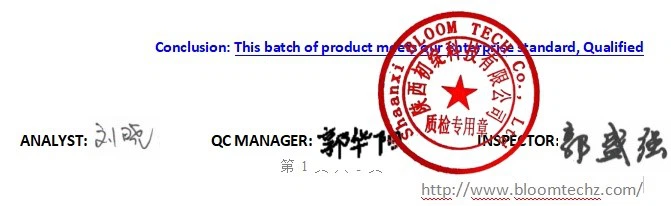
| Certificate of Analysis | ||
| Compound name | Goserelin | |
| Grade | Pharmaceutical grade | |
| CAS No. | 65807-02-5 | |
| Quantity | 15g | |
| Packaging standard | PE bag+Al foil bag | |
| Manufacturer | Shaanxi BLOOM TECH Co., Ltd | |
| Lot No. | 202512090051 | |
| MFG | Dec 9th 2025 | |
| EXP | Dec 8th 2028 | |
| Structure |
|
|
| Item | Enterprise standard | Analysis result |
| Appearance | White or almost white powder | Conformed |
| Water content | ≤5.0% | 0.54% |
| Loss on drying | ≤1.0% | 0.42% |
| Heavy Metals | Pb≤0.5ppm | N.D. |
| As≤0.5ppm | N.D. | |
| Hg≤0.5ppm | N.D. | |
| Cd≤0.5ppm | N.D. | |
| Purity (HPLC) | ≥99.0% | 99.90% |
| Single impurity | <0.8% | 0.52% |
| Total microbial count | ≤750cfu/g | 95 |
| E. Coli | ≤2MPN/g | N.D. |
| Salmonella | N.D. | N.D. |
| Ethanol (by GC) | ≤5000ppm | 500ppm |
| Storage | Store in a sealed, dark, and dry place below -20°C | |
|
|
||
|
|
||


| Chemical Formula | C59H84N18O14 | |
| Exact Mass | 1268.64 | |
| Molecular Weight | 1269.43 | |
| m/z | 1268.64(100.0%), 1269.64(63.8%), 1270.65(20.0%), 1269.64(6.6%), 1270.64(4.0%), 1271.65(3.3%), 1270.65(2.9%), 1271.65(1.8%), 1271.65(1.3%) | |
| Elemental Analysis | C,55.82; H,6.67; N,19.86; O,17.64 | |

Core Mechanism of Action

The therapeutic core of the product lies in the potent and sustained inhibition of androgen levels through the negative feedback regulation of the hypothalamic-pituitary-gonadal axis, namely medical castration, which replaces the invasive surgical castration. Its mechanism proceeds in two phases:In the initial phase, after binding to pituitary GnRH receptors, the drug briefly stimulates the secretion of gonadotropins (luteinizing hormone and follicle-stimulating hormone), leading to a transient elevation in serum testosterone levels.Subsequently, through receptor downregulation, it inhibits pituitary gonadotropin secretion, ultimately blocking testicular androgen synthesis and secretion, and reducing serum testosterone to castration levels-this fundamentally inhibits the proliferation and growth of prostate cancer cells.
Compared with surgical castration, Goserelin offers the advantage of reversibility: hormonal levels can gradually recover after drug withdrawal, leaving room for treatment adjustments in patients with fertility needs or those with disease remission. It also avoids surgical trauma and psychological impacts, significantly improving treatment compliance. This unique mechanism makes it one of the first-line endocrine therapies for hormone-dependent prostate cancer.
Stage-Specific Clinical Applications
Metastatic Prostate Cancer: A Core First-Line Palliative Therapy
Curative treatment is not feasible for prostate cancer patients with distant metastases (e.g., bone or visceral metastases), and the therapeutic goal shifts to symptom control, disease progression delay and survival prolongation. As a first-line endocrine agent, Goserelin Injection can be used alone or in combination with antiandrogens (e.g., bicalutamide) to rapidly reduce androgen levels and control tumor burden.
Clinical studies have demonstrated that long-term Goserelin therapy for metastatic prostate cancer yields efficacy comparable to surgical castration and effectively alleviates tumor-related symptoms such as bone pain and hematuria.

Two randomized controlled trials showed that the disease control rate and progression-free survival of patients in the continuous Goserelin treatment group were non-inferior to those in the surgical castration group, and the convenience of injectable administration made long-term treatment more manageable for patients.
Locally Advanced Prostate Cancer: A Key Neoadjuvant and Adjuvant Therapy
Patients with locally advanced prostate cancer (cT3-T4 stage) have a poor prognosis with surgery or radiotherapy alone and are at high risk of recurrence and metastasis; comprehensive therapy is the current mainstream approach, in which Goserelin plays an important role in both neoadjuvant and adjuvant settings.
Neoadjuvant therapy:
Administered prior to radiotherapy or surgery, it aims to reduce tumor volume, downstage the disease, and improve the success rate of curative treatment. The RTOG8610 study showed that initiating Goserelin therapy 2 months before radiotherapy and continuing it during radiotherapy significantly reduced local tumor invasiveness and the risk of radioresistance. For preoperative neoadjuvant therapy, the regimen of Goserelin combined with abiraterone acetate has demonstrated excellent efficacy.
Adjuvant therapy:
For patients at high risk of recurrence after radical surgery or radiotherapy, Goserelin can further eliminate residual tumor cells and reduce the recurrence rate.

High-Risk Localized Prostate Cancer: A Radiosensitizing Regimen in Combination with Radiotherapy
High-risk localized prostate cancer (e.g., PSA >20ng/mL, Gleason score ≥8) has no distant metastases but a high recurrence risk, and radiotherapy alone yields limited efficacy. Clinical guidelines recommend radiotherapy combined with endocrine therapy; as a core agent, Goserelin Injection enhances radiosensitivity through hormonal inhibition and improves treatment outcomes.
A study initiated Goserelin therapy in the last week of radiotherapy and continued it until disease progression, showing that the disease-free survival and overall survival of patients in the combination therapy group were significantly better than those in the radiotherapy-alone group, with no significant increase in the incidence of adverse reactions. The underlying mechanism is that androgen deprivation arrests prostate cancer cells in the G0/G1 phase, during which they are more sensitive to radiation; it also reduces tumor angiogenesis to further inhibit tumor growth.
Safety Management
Common Adverse Reactions and Management
The drug is well-tolerated, and most adverse reactions are pharmacologically mediated, mild in severity, and generally do not require treatment interruption, resolving after drug withdrawal. The most common adverse reactions include hot flushes, hyperhidrosis, sexual dysfunction (decreased erectile function, reduced libido), and local injection site reactions (pain, ecchymosis). Musculoskeletal adverse effects may include arthralgia and decreased bone mineral density; neurological effects occasionally include mood changes and sensory neuropathy; and cardiovascular effects may involve transient blood pressure alterations.

For decreased bone mineral density: combination therapy with bisphosphonates can reduce bone loss. High-risk patients (e.g., those with a family history of osteoporosis, long-term smoking or alcohol consumption) require regular bone mineral density monitoring and intervention.
For injection site ecchymosis: relief can be achieved through post-injection compression, with strenuous activity avoided.
For sexual dysfunction: symptomatic treatment and psychological counseling can be provided to alleviate the patient's psychological burden.
Severe Risk Early Warning and Prevention

Tumor flare phenomenon
Transient testosterone elevation after the first dose may cause a temporary exacerbation of tumor symptoms (e.g., aggravated bone pain, ureteral obstruction) in some patients, mostly occurring within the first 4 weeks of treatment. Co-administration of cyproterone acetate (300mg daily) from 3 days before to 3 weeks after the first dose can prevent the adverse effects of testosterone elevation. Close monitoring is required, and standard treatment should be promptly initiated in case of obstruction or spinal cord compression.
Rare severe adverse reactions
Post-marketing surveillance has identified rare cases of pituitary apoplexy (presenting with sudden headache, vomiting, visual abnormalities), mostly occurring within 2 weeks of the first dose, which requires immediate medical emergency treatment. Rare cases of hypersensitivity reactions (urticaria, anaphylaxis) and pituitary tumors have also been reported; drug withdrawal and symptomatic management are mandatory upon occurrence.


Other risk controls
For patients with cardiovascular diseases, the benefits and risks of treatment should be evaluated; heart rate and blood pressure should be monitored during medication, with vigilance for myocardial infarction and stroke. Diabetic patients require regular monitoring of blood glucose and glycated hemoglobin to avoid poor glycemic control. Patients with a history of QT interval prolongation should use caution when combining with QT-prolonging drugs, and electrocardiogram monitoring is necessary if indicated.
Clinical Value and Application Prospects
Goserelin Injection has reshaped the landscape of endocrine therapy for prostate cancer with its advantages of long-acting sustained release, definite efficacy, high safety and ease of use, emerging as a core drug throughout the course of metastatic, locally advanced and high-risk localized prostate cancer. It not only replaces some surgical castration procedures to reduce trauma but also significantly improves treatment outcomes, quality of life and survival in patients through combination regimens (e.g., with abiraterone or radiotherapy).
With the development of precision medicine, the combination regimens of Goserelin are continuously optimized, and its application scenarios in neoadjuvant therapy and post-resistance therapy are expanding. In the future, gene testing-based individualized dosing strategies will further improve the precision of its treatment and bring more benefits to prostate cancer patients.
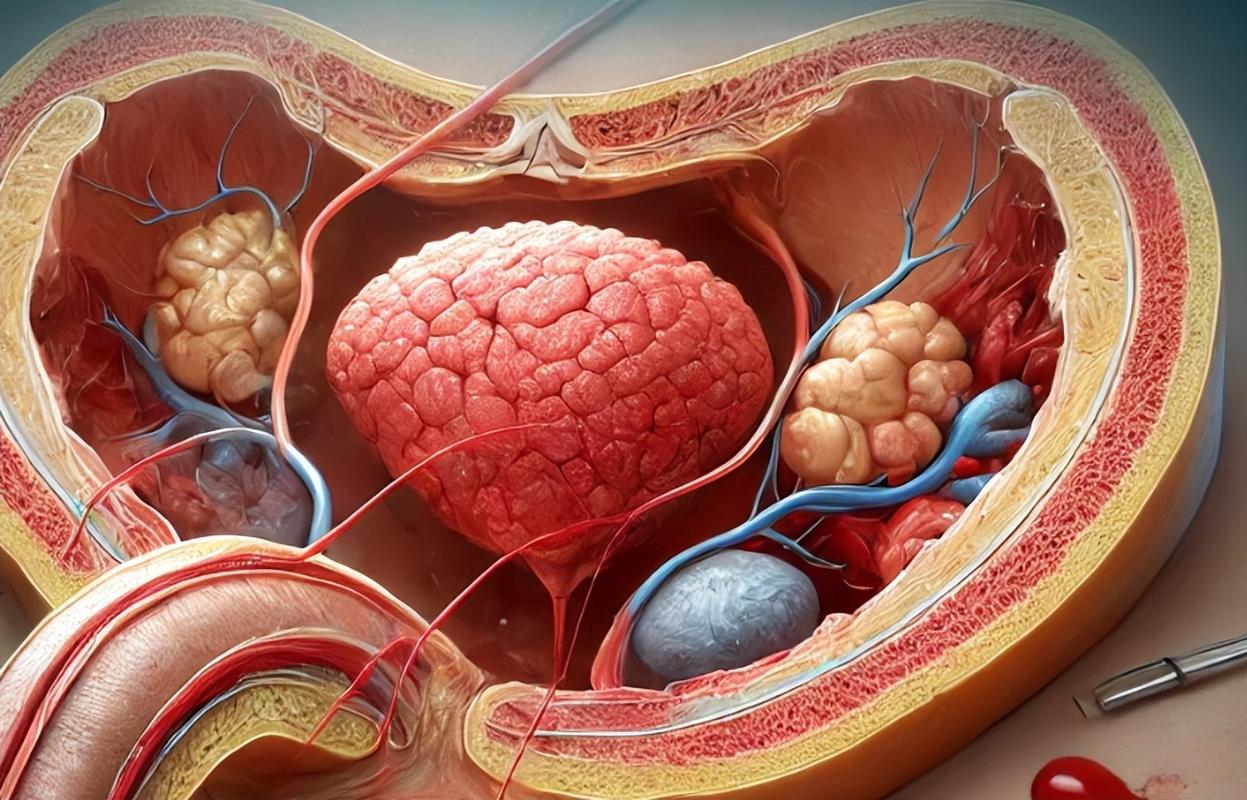
As a Class B national medical insurance drug, Goserelin has become increasingly accessible, providing an economical and effective treatment option for a large number of prostate cancer patients.

Core Physicochemical Properties

Goserelin is a white or off-white powder, odorless, slightly soluble in water, very slightly soluble in methanol, and almost insoluble in ethanol. This solubility profile dictates its formulation as a sustained-release implant rather than an aqueous injection. It has a pKa value of approximately 7.8 and is weakly basic under physiological pH (7.35-7.45), enabling stable existence in subcutaneous interstitial fluid for slow release and absorption. The compound has no significant optical activity and a melting point of 195-200℃, decomposing upon heating; thus, strict temperature control is required during production and storage to prevent inactivation of the active ingredient.
Stability and Dosage Form Compatibility

Goserelin is sensitive to light and humidity, prone to degradation upon exposure to strong light or high humidity; therefore, the injection is packaged in light-resistant and hermetically sealed containers. Its sustained-release implant uses poly(lactic-co-glycolic acid) (PLGA) as the carrier, and the chemical compatibility between Goserelin and the carrier material enables continuous and steady drug release in the body for 12 weeks. In vitro stability tests have shown that the raw Goserelin drug has a shelf life of 2 years in a dry environment below 25℃; after being formulated into an implant, it has a shelf life of 18 months under hermetic storage conditions, meeting the quality requirements for clinical use of injections.
FAQ
1.Is goserelin a chemotherapy drug?
Your doctor, nurse or pharmacist will be able to explain how your treatment works in more detail. It is important to understand that exemestane and goserelin are not traditional chemotherapy drugs and have a different way of working. They work by reducing hormones which stop the cancer cells growing and spreading.
2.What is a common side effect of goserelin?
Zoladex (goserelin) - Uses, Side Effects, and More. Overview: Zoladex is commonly used to treat cancer. Common side effects include hot flashes, decreased sex drive, and problems with erections. Zoladex is an implant that is placed under the skin by your health care provider.
3.Where do you inject goserelin?
Background: The standard of care for hormone receptor–positive breast cancer often involves prolonged use of ovarian function suppression (OFS) therapies, including goserelin. Manufacturer recommendations instruct nurses to inject goserelin subcutaneously into the anterior abdominal wall, below the navel line.
4.How long is goserelin treatment?
The recommended duration of therapy is 6 months. Use: For the management of endometriosis, including pain relief and reduction of endometriotic lesions.
Hot Tags: goserelin injection, China goserelin injection manufacturers, suppliers, salcatonin injection, intranasal desmopressin acetate, best glp 1 peptide, Ipamorelin Injection, glp1 shot, etelcalcetide structure


