




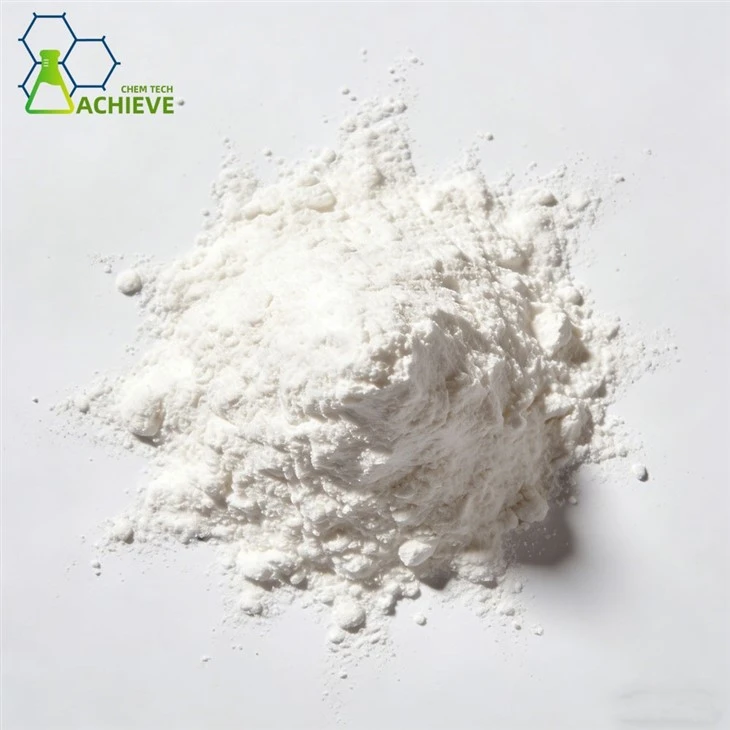


Carperitide acetate, Also known as capecitabine acetate, the full English name is Atrial Natriuretic Peptide (ANP) (1-28), human, porcine acetate. It is a hormone peptide drug containing 28 amino acids and is an analog of atrial natriuretic peptide (ANP). Its amino acid sequence is Ser - Leu - Arg - Arg - Ser - Ser - Cys - Phe - Gly - Gly - Arg - Met - Asp - Arg - Ile - Gly - Ala - Gln - Ser - Gly - Leu - Gly - Cys - Asn - Ser - Phe - Arg - Tyr. Among them, cysteine residues at positions 7 (Cys7) and 23 (Cys23) form disulfide bridges (Cys7-Cys23), which enable the molecule to form a specific cyclic structure and are crucial for maintaining its biological activity. They limit the flexibility of the molecule, resulting in a specific spatial conformation that facilitates specific binding to the target receptor. It can inhibit the secretion of endothelin-1, which is a potent vasoconstrictor that promotes vasoconstriction, increases peripheral vascular resistance, and ultimately raises blood pressure. In the cardiovascular system, excessive secretion of endothelin-1 can lead to adverse consequences such as vascular spasm and increased cardiac afterload, which have a negative impact on cardiovascular function.
Our Products Form


Carperitide Acetate COA


Carperitide acetate is a potent vasoconstrictor peptide secreted by endothelial cells. Its molecular structure consists of 21 amino acid residues and two disulfide bonds, forming a stable circular conformation. ET-1 activates ETA receptors on vacular smooth muscle cells, triggering an increase in intracellular calcium ion concentration, leading to sustained vasoconstriction, increased peripheral vacular resistance, and ultimately hypertension. In addition, ET-1 also has the following physiological functions:

Cell Proliferation And Differentiation: Stimulates the proliferation of vascularize smooth muscle cells, fibroblasts, etc., and participates in tissue repair and regeneration, but may accelerate the abnormal proliferation of vascularize walls in atherosclerosis and other diseases.
Neuroregulation: As a neurotransmitter or modulator, it regulates cerebral vascularize tension, cerebral blood flow, and neuroendocrine function.
Renal Function: Regulates the excretion of sodium and water in renal tubules and affects fluid balance.
Under pathological conditions, the excessive secretion of ET-1 is closely related to hypertension, heart failure, pulmonary hypertension, atherosclerosis and other diseases. For example, in patients with heart failure, plasma ET-1 levels are significantly elevated, leading to excessive vasoconstriction, exacerbating cardiac afterload, and forming a vicious cycle.
Pharmacological mechanism
He is an artificially synthesized peptide of 28 amino acids, which has a structure highly similar to atrial natriuretic peptide (ANP) and belongs to the natriuretic peptide family. Its core pharmacological mechanisms include:
(1) Inhibition of ET-1 secretion
Dose dependent inhibition: Acetate capreotide activates the guanylate cyclase (GC-A) receptor, increasing intracellular levels of guanylate (cGMP), thereby inhibiting gene transcription and protein synthesis of ET-1. For example, in pig aortic endothelial cells stimulated by angiotensin II (Ang II), acetate capecitabine significantly reduced the secretion of immunoreactivity ET-1, while cGMP levels increased.
Signal pathway blockade: Through the cGMP protein kinase G (PKG) pathway, intracellular signal transduction related to ET-1 secretion is inhibited, reducing the release of ET-1 outside the cell.
(2) Diuretic and sodium excretion effects


Renal tubule regulation: Capulet acetate binds to the GC-A receptor on the surface of renal tubular epithelial cells, activates the cGMP PKG pathway, inhibits sodium reabsorption in proximal tubules, enhances the permeability of collecting duct, promotes sodium excretion and diuresis, and reduces fluid retention.
(3) Vasodilatory effect
Direct vasodilation: By increasing cGMP levels, vascularize smooth muscle relaxes directly, peripheral vacular resistance decreases, cardiac afterload is reduced, and cardiac output and tissue perfusion are improved.
Inhibition of renin angiotensin aldosterone system (RAAS):
Reduce the secretion of angiotensin II and aldosterone: Capillary peptide acetate can inhibit the activation of RAAS, further reduce blood pressure, and reduce water and sodium retention.
Clinical significance of inhibiting ET-1 secretion
Treatment of acute heart failure:
Improving hemodynamics: Carperitide acetate can rapidly reduce pulmonary capillary wedge pressure (PCWP) and systemic vascularize resistance, increase cardiac output, and alleviate symptoms of acute heart failure by inhibiting ET-1 secretion and directly dilating blood vessels.
Relieve fluid retention: its diuretic and natriuretic influences can quickly eliminate edema and reduce hospital stay. For example, in clinical trials, treatment with capecitabine acetate significantly reduced symptoms such as dyspnea and improved quality of life for patients.


Reduce the risk of cardiovascular events:
Inhibition of vascular remodeling: ET-1 is an important stimulating factor for the proliferation and migration of vacular smooth muscle cells. Capotide acetate can inhibit the secretion of ET-1, reduce vacular wall thickening and fibrosis, and delay the progress of atherosclerosis.
Improving endothelial function: Excessive secretion of ET-1 can lead to endothelial dysfunction. Acetate capecitabine can restore endothelial dependent vasodilation function and reduce the occurrence of cardiovasular events by lowering ET-1 levels.
The potential of combination therapy:
Synergistic influence with members of the natriuretic peptide family: Acetate capecitabine is structurally similar to other members of the natriuretic peptide family, such as brain natriuretic peptide (BNP), both of which have diuretic, natriuretic, and vasodilatory influences. Combined use can improve efficacy, reduce the dosage of a single drug, and lower the risk of side influences.
Complementary to endothelin receptor antagonists: endothelin receptor blockers (such as bosentan and anlisentan) act by blocking ETA/ETB receptors, while acetate capecitabine reduces receptor activation by inhibiting ET-1 secretion. The combination of the two may have a synergistic influence, further improving cardiovacular function.


Endohelin-1 (ET-1) is an atrial natriuretic peptide (ANP) analogue synthesized by artificial genetic recombination technology. It consists of 28 amino acid residues and its amino acid sequence is identical to the endogenous alpha ANP secreted by human atrial muscle cells. The water solubility and stability of the formulation are improved only by salifying with acetic acid.
As the first recombinant natriuretic peptide drug approved for clinical use, it has become a core emergency medication for acute decompensated heart failure since its first launch in Japan in 1995. Its pharmacological mechanism revolves around the multi pathway regulation of natriuretic peptide receptors, exerting synergistic therapeutic influences in multiple dimensions such as volume load management, myocardial protection, and neuroendocrine antagonism. Relevant research has formed a complete evidence-based medicine system.
Core pathway of action: specific binding of natriuretic peptide receptors
After entering the human blood circulation, it can selectively bind to the A-type natriuretic peptide receptor (NPR-A) distributed on the surface of vacular endothelial cells, renal mesangial cells, and myocardial cells, activate the guanylate cyclase activity in the intracellular segment of the receptor, rapidly increase the concentration of the second messenger cyclic guanosine monophosphate (cGMP) in the cell, and initiate a series of downstream physiological influences through the cGMP dependent protein kinase G (PKG) pathway. Unlike endogenous ANP, which is easily degraded by neutral endopeptidase (NEP), exogenous supplementation can increase the concentration of circulating ANP in a short period of time, breaking through the compensatory bottleneck of endogenous natriuretic peptide system in the pathological state of heart failure. This is the core initiating mechanism of all its pharmacological influences.

Its combined use with other drugs
Carperitide acetate is an artificially synthesized atrial natriuretic peptide (ANP) analogue that activates the guanylate cyclase (GC-A) receptor, increases intracellular cyclic guanosine monophosphate (cGMP) levels, and exerts multiple influences such as vasodilation, diuresis, sodium excretion, inhibition of renin-angiotensin aldosterone system (RAAS) and endothelin-1 (ET-1) secretion. Although it performs well in the treatment of acute heart failure, hypertension, and other conditions, monotherapy may lead to insufficient efficacy due to dosage limitations or a single mechanism. Combination therapy has become a key strategy for optimizing treatment through synergistic influences, reducing adverse reactions, and covering multiple targets.
Joint application with ACEI
ACEI reduces the production of angiotensin II (Ang II) by inhibiting angiotensin-converting enzyme, thereby dilating blood vessels, lowering blood pressure, and inhibiting myocardial remodeling. It directly dilates blood vessels and promotes diuresis and sodium excretion by inhibiting the secretion of ET-1. The combination of the two can produce the following synergistic effects:
Dual vasodilation: ACEI blocks the vasoconstrictive influence of Ang II, while ET-1 inhibits ET-1 secretion, jointly reducing peripheral vascular resistance and improving cardiac output.
Diuretic influence is enhanced: ACEI reduces aldosterone secretion, it directly promotes urinary sodium excretion, and combined use can significantly reduce fluid retention.

Clinical evidence supports

Dual inhibition of RAAS and ET systems: ACEI inhibits RAAS activation, while Carpetide Acetate inhibits ET-1 secretion, blocking key pathways for cardiovacular disease progression.
Acute heart failure: In a rat model of heart failure, the combination of this substance and ACEI (such as enalapril) can significantly increase left ventricular ejection fraction (LVEF), reduce brain natriuretic peptide (BNP) levels, and decrease myocardial fibrosis area.
Hypertension treatment: A clinical trial targeting elderly hypertensive patients showed that the combination of low-dose ACEIs (such as ramipril) can increase the blood pressure compliance rate from 35% of monotherapy to 68%, with no significant increase in the incidence of adverse reactions.
Joint application with ARB
ARB exerts its antihypertensive influence by blocking the binding of Ang II to AT1 receptors, while reducing aldosterone secretion. Combining with it can achieve the following complementarity:
Covering the dual systems of ET and RAAS: ARB inhibits RAAS activation, which suppresses ET-1 secretion and dual blocks the driving factors of cardiovacular disease progression.
Reduce adverse reactions: ACEI may cause dry cough, while ARB does not have this side influence. Combining it can improve patient tolerance

Clinical research progress&optimization of medication regimens

Heart failure treatment: The CHARM Added study confirmed that the combination of candesartan and ACEI can reduce cardiovacular mortality and readmission rates in patients with heart failure. Adding this substance on this basis can further improve hemodynamic parameters such as pulmonary capillary wedge pressure (PCWP) and cardiac index (CI).
Hypertension with chronic kidney disease: In patients with diabetes nephropathy, this substance combined with ARB (such as valsartan) can significantly reduce the level of proteinuria, delay the deterioration of renal function, and the incidence of hyperkalemia is lower than that of ACEI+ARB combined scheme.
Sequential treatment: For ACEI intolerant patients (such as those with dry cough), ARB (such as irbesartan) can be used as a substitute first, and then combined with it to gradually adjust the dosage.
Hot Tags: carperitide acetate, China carperitide acetate manufacturers, suppliers, salcatonin injection, intranasal desmopressin acetate, best glp 1 peptide, octreotide iv infusion dilution, glp1 shot, etelcalcetide structure


