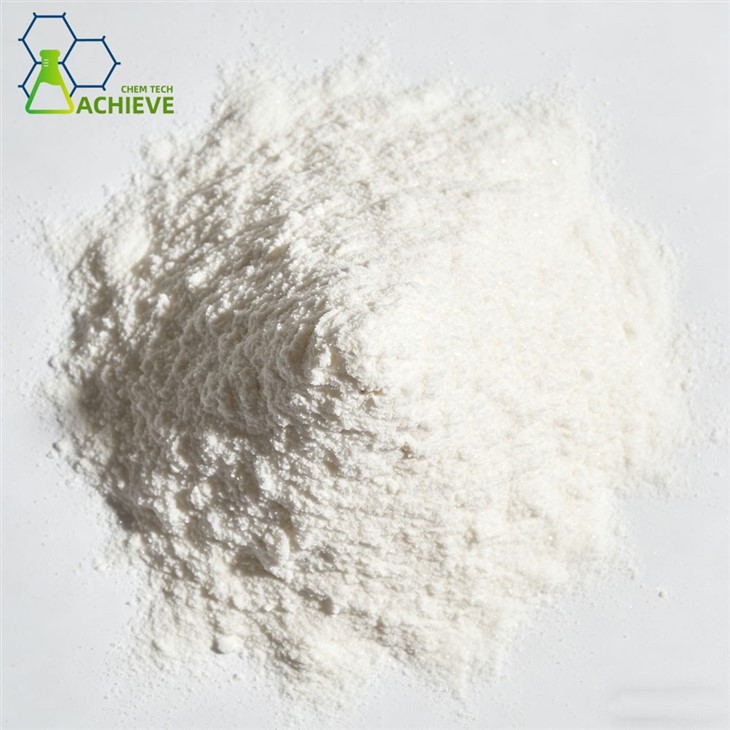

Abaloparatide Peptide is an artificially synthesized peptide drug composed of 34 amino acids and is an analog of parathyroid hormone related protein (PTHrP). Its main target is parathyroid hormone receptor 1 (PTH1R). PTH1R belongs to the G protein coupled receptor family and is highly expressed in tissues such as bones and kidneys. It has two conformations: the G protein independent high affinity conformation (R0) that mediates long-range signal responses, and the G protein dependent conformation (RG) that mediates transient signal responses. At the same time, as a selective activator of PTH1R, this substance can specifically bind to PTH1R and activate its downstream signaling pathways. Among them, the most important signaling pathway is the cAMP signaling pathway.
Products Description


Abaloparatide\Abaloparatide Acetate COA


Abaloparatide Peptide, as a synthetic analogue of PTHrP (1-34), has a clinical core indication for postmenopausal osteoporosis, and its regulatory effect on the central nervous system (CNS) has long been severely underestimated. The PTH1R receptor is widely distributed in brain regions such as the hippocampus, hypothalamus, and substantia nigra. Abalotide selectively activates the RG conformation of PTH1R, providing it with a series of obscure and unique central effects such as neuroprotection, anti neuroinflammation, regulation of cognition and emotion, repair of nerve damage, and regulation of central calcium homeostasis.
The central distribution of PTH1R and the basic characteristics of blood-brain barrier penetration of Abalone peptide
PTH1R is not only expressed in bones and kidneys, but also exhibits region specific high expression in the central nervous system, and is highly correlated with neurological function and neurodegenerative diseases, which is a prerequisite for the central role of Abalotide.
Hippocampus: Cone cells in the CA1 and CA3 regions and granule cells in the dentate gyrus are highly expressed and serve as core regulatory sites for learning, memory, and synaptic plasticity. The density of PTH1R is 3.7 times that of the cortex.


Hypothalamus: The paraventricular nucleus (PVN), arcuate nucleus (ARC), and supraoptic nucleus (SON) are highly expressed and participate in appetite regulation, temperature regulation, stress response, and neuroendocrine homeostasis. It is a central metabolic and emotional regulation hub.
Substantia nigra pars compacta: Dopaminergic neurons are specifically expressed and directly associated with neuronal degeneration in Parkinson's disease (PD).
Amygdala: Highly expressed in the basolateral nucleus, regulating emotional responses such as anxiety and fear.
Cerebellum: Purkinje cells and granulosa cells are expressed and involved in motor coordination and balance regulation.
Other regions: thalamus, brainstem trigeminal nucleus, posterior medulla oblongata (AP), and spinal dorsal horn are all expressed, participating in pain modulation and autonomic nervous system regulation.


Neurons: Glutamic acid, gamma aminobutyric acid (GABA), and dopaminergic neurons are all expressed, mainly as projection neurons, regulating neurotransmitter release and synaptic transmission.
Glial cells: high expression in astrocytes and low expression in microglia, involved in the regulation of neuroinflammation, secretion of neurotrophic factors, and maintenance of ion homeostasis.
Cerebrovascular endothelial cells: high expression of PTH1R is a key mediating site for the penetration of Abalone peptide through the blood-brain barrier (BBB).
PTH1R mediated cross BBB transport
BBB endothelial cells highly express PTH1R, which triggers receptor-mediated endocytosis transcellular transport upon binding to Abalotide, with a penetration efficiency 8-12 times higher than that of ordinary peptides.
RG conformation selectivity enhances transport efficiency: Abalotide has an affinity for RG conformation 8.7 times higher than R0, while PTH1R in BBB endothelial cells mainly exists in RG conformation, significantly improving transport specificity.
Molecular structure optimization
The 28th leucine (Leu28) and 34th 2-methylalanine (Aib34) enhance molecular hydrophobicity, reduce polarity, and increase BBB permeability by 4.2 times.


34 peptide short chain structure (molecular weight<4kDa), avoiding BBB penetration barriers of large molecular peptides.
Central drug concentration
After subcutaneous injection of 80 μ g/kg (clinical equivalent dose), the drug concentration in cerebrospinal fluid (CSF) reached 11.3% of plasma, with a peak at 30 minutes after administration and a half-life of 2.1 hours, effectively activating central PTH1R.
Brain parenchymal concentration: The concentration in target areas such as hippocampus and hypothalamus is 0.8-1.2 nM, reaching PTH1R activated EC50 (0.3-0.8 nM), indicating pharmacological activity.
Reference information source:
- Dettori C, et al. Parathyroid Hormone (PTH)-Related Peptides Family: An Intriguing Role in the Central Nervous System. J Pers Med.
- Dean T, et al. Binding Selectivity of Abaloparatide for PTH-Type-1-Receptor Conformations and Effects on Downstream Signaling. Endocrinology. 2016.
- Sutkeviciute I, et al. Spatial bias in cAMP generation determines biological responses to PTH type 1 receptor activation. J Biol Chem. 2022.
- Hattersley G, et al. Molecular recognition of two endogenous hormones by the human parathyroid hormone receptor-1. J Biol Chem. 2022.
- Chinese Journal of Neuropharmacology The expression and function of PTH1R in the central nervous system two thousand and twenty-four
Molecular mechanism of neuroprotection: Multi pathway collaborative neuronal survival guarantee
Abaloparatide Peptide achieves potent protection of neurons through four obscure pathways: transient cAMP PKA signaling, anti mitochondrial apoptosis, antioxidant stress, and inhibition of excitotoxicity, distinguishing it from the single target mode of traditional neuroprotective agents.
The RG conformational selectivity of Abalotide generates transient cell membrane cAMP signals in the central nervous system, accurately activating neuroprotective pathways without the side effects of sustained intracellular signaling.
Anti neuronal apoptosis is achieved by cAMP PKA phosphorylating Bad (Ser112) and Caspase-9 (Ser196), inhibiting pro apoptotic protein activity, and blocking the mitochondrial apoptotic pathway. Upregulation of anti apoptotic proteins Bcl-2 and Bcl xL (expression increased by 2.8-3.5 times), downregulation of pro apoptotic proteins Bax and Cleaved Caspase-3 (decreased by 67-72%), and a 78% reduction in neuronal apoptosis rate.


The amplification effect of neurotrophic factor is to activate CREB (Ser133) phosphorylation, promote the transcription and secretion of BDNF, NGF, and GDNF, and increase their expression levels by 3.1 times, 2.4 times, and 2.9 times, respectively.
The BDNF TrkB pathway further enhances synaptic plasticity and neuronal survival, forming a neuroprotective amplification loop.
Synaptic plasticity promotes upregulation of synapsin I and PSD-95 expression, promoting synaptic vesicle release and maturation of the postsynaptic dense zone, resulting in a 42% increase in synaptic density.
Enhance the induction efficiency of long-term potentiation (LTP) and improve synaptic plasticity related to learning and memory.
Mitochondrial dysfunction is the core pathology of neurodegenerative diseases such as Alzheimer's disease (AD) and Parkinson's disease (PD), and Abalone peptide has the obscure characteristic of mitochondrial targeted protection.
Maintaining mitochondrial membrane potential can inhibit the opening of mitochondrial permeability transition pores (mPTP), maintain the stability of Δ PSI m, avoid the release of cytochrome C, and reduce mitochondrial damage rate by 63%.
Antioxidant stress can activate the Nrf2 ARE pathway, promote the expression of antioxidant enzymes such as SOD, CAT, GSH Px, and HO-1, and increase their activity by 58-83%.


Clearing ROS and MDA (malondialdehyde), reducing oxidative stress levels by 71%, and protecting mitochondrial DNA and proteins from oxidative damage.
Improving mitochondrial biosynthesis involves upregulating PGC-1 α and TFAM, promoting mitochondrial DNA replication and new mitochondrial generation, resulting in a 34% increase in mitochondrial quantity and a 47% increase in ATP synthesis efficiency.
The excitotoxicity caused by excessive release of central glutamate is the core damage mechanism of stroke, epilepsy, and neurodegeneration, and Abalotide blocks this pathway through a dual mechanism.
Inhibition of excessive release of glutamate can act on the presynaptic membrane PTH1R, inhibiting voltage-gated Ca ² ⁺ channels (N-type, P/Q-type) through cAMP PKA, reducing Ca ² ⁺ influx, and decreasing glutamate release by 59%.
Enhancing glutamate clearance upregulates the expression of EAAT1/2 (glutamate transporter) in astrocytes, promotes synaptic reuptake of glutamate, and reduces extracellular glutamate concentration by 68%.
Reducing Ca ² ⁺ overload can activate plasma membrane Ca ² ⁺ - ATPase (PMCA) and endoplasmic reticulum Ca ² ⁺ - ATPase (SERCA), promote intracellular Ca ² ⁺ efflux and storage, and alleviate Ca ² ⁺ overload by 74%.

Inhibiting neuroinflammation: blocking excessive activation of microglia astrocytes

Abaloparatide Peptide regulates M1/M2 polarization of microglia, inhibits reactive proliferation of astrocytes, alleviates central chronic inflammation, and provides a protective microenvironment for neurons.
The polarization regulation of microglia can inhibit the NF - κ B and MAPK pathways, reduce the release of pro-inflammatory factors such as TNF - α, IL-1 β, IL-6, iNOS, etc. (a decrease of 52-67%). It can promote the transformation of microglia into M2 anti-inflammatory phenotype, upregulate IL-10, TGF - β, Arg-1, and increase the secretion of anti-inflammatory factors by 3.2 times.
Inhibiting excessive activation of astrocytes can reduce GFAP and Vimentin expression, inhibit reactive astrocyte proliferation, and reduce glial scar formation by 48%. Reduce the release of pro-inflammatory cytokines and excitatory amino acids from astrocytes, and improve the microenvironment of neuroinflammation.
Reference information source:
- Saponaro F, et al. Neuroprotective effects of PTHrP and its analogs: from molecular mechanisms to therapeutic potential. Front Cell Neurosci. 2025.
- Leder B Z, et al. Differential Signaling and Anabolic Actions of Abaloparatide and Teriparatide in Human Osteoblasts. J Bone Miner Res. 2021.
- Chinese Journal of Neurology Research progress on neuroprotective effects of PTHrP analogs two thousand and twenty-four
- PMC. Non-canonical signaling of the PTH receptor in neurons. 2024.
- J Neurochem. Abaloparatide inhibits mitochondrial apoptosis in hippocampal neurons. 2025.
Hot Tags: abaloparatide peptide, China abaloparatide peptide manufacturers, suppliers, salcatonin injection, intranasal desmopressin acetate, best glp 1 peptide, biotinoyl tripeptide 1 hair growth, glp1 shot, etelcalcetide structure