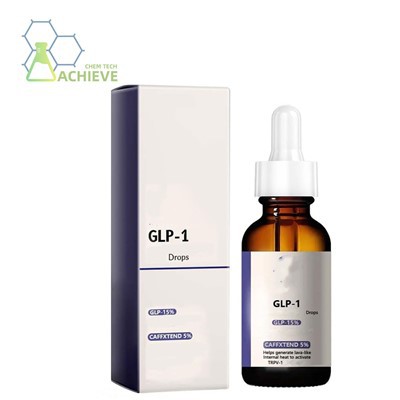
GLP-1(7-37) is a native active incretin secreted by human intestinal L‑cells. It is a linear polypeptide consisting of 31 amino acids and represents the core functional fragment of proglucagon following proteolytic cleavage. Distinct from amidated variants, it exerts its effects in a free carboxy‑terminal conformation. In a glucose‑dependent manner, it promotes insulin secretion and suppresses glucagon release, providing safe glycemic control with minimal hypoglycemia risk. It also delays gastric emptying, suppresses appetite, and modulates body weight.
Our Products Form




GLP-1(7-37) COA
 |
||
| Certificate of Analysis | ||
| Compound name | GLP-1(7-37) | |
| Grade | Pharmaceutical grade | |
| CAS No. | 106612-94-6 | |
| Quantity | 44g | |
| Packaging standard | PE bag+Al foil bag | |
| Manufacturer | Shaanxi BLOOM TECH Co., Ltd | |
| Lot No. | 202601090056 | |
| MFG | Jan 9th 2026 | |
| EXP | Jan 8th 2029 | |
| Structure |
|
|
| Item | Enterprise standard | Analysis result |
| Appearance | White or almost white powder | Conformed |
| Water content | ≤5.0% | 0.25% |
| Loss on drying | ≤1.0% | 0.17% |
| Heavy Metals | Pb≤0.5ppm | N.D. |
| As≤0.5ppm | N.D. | |
| Hg≤0.5ppm | N.D. | |
| Cd≤0.5ppm | N.D. | |
| Purity (HPLC) | ≥99.0% | 99.80% |
| Single impurity | <0.8% | 0.26% |
| Total microbial count | ≤750cfu/g | 233 |
| E. Coli | ≤2MPN/g | N.D. |
| Salmonella | N.D. | N.D. |
| Ethanol (by GC) | ≤5000ppm | 419ppm |
| Storage | Store in a sealed, dark, and dry place below -20°C | |
|
|
||
|
|
||
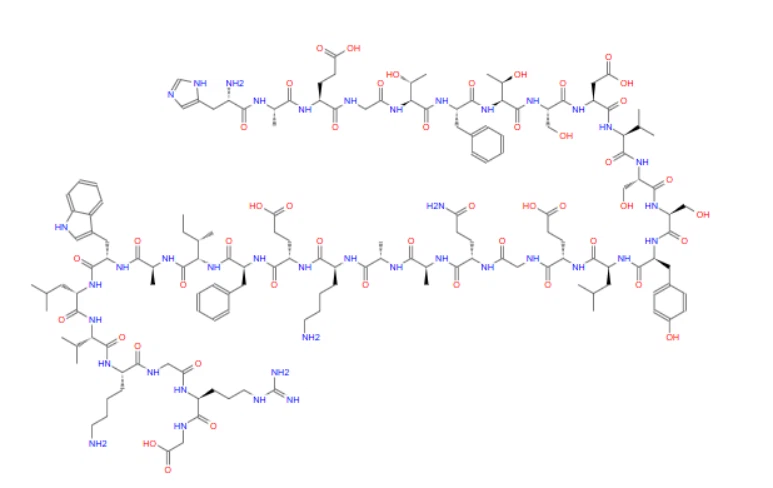
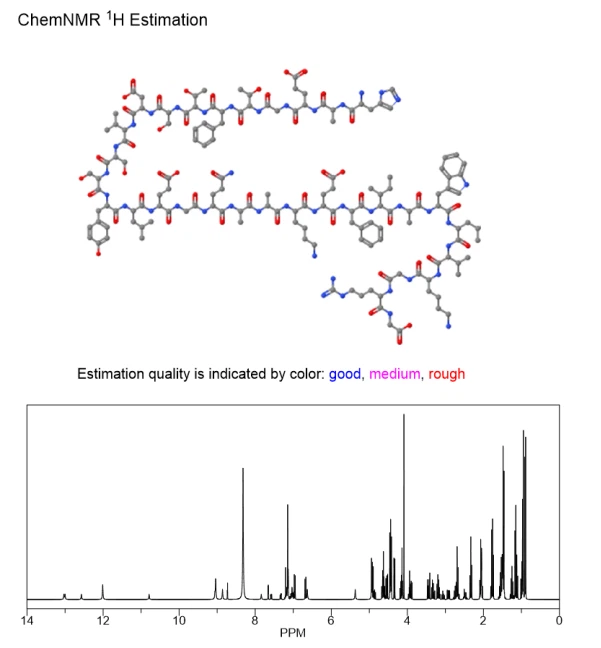

| Chemical Formula | C151H228N40O47 |
| Exact Mass | 3353.67 |
| Molecular Weight | 3355.72 |
| m/z | 3354.67(100.0%), 3355.67(81.1%), 3353.67(61.2%), 3356.68(36.4%), 3355.67(14.8%), 3356.67(12.0%), 3357.68(10.6%), 3356.68(9.7%), 3354.67(9.0%), 3357.68(7.8%), 3356.68(7.2%), 3357.68(6.8%), 3355.67(5.9%), 3357.68(5.4%), 3358.68(3.5%), 3358.68(3.3%), 3355.68(2.6%), 3358.68(2.2%), 3356.68(2.1%), 3355.68(1.8%), 3354.67(1.6%), 3358.68(1.6%), 3356.68(1.5%), 3357.67(1.4%), 3358.68(1.2%), 3354.67(1.1%), 3359.69(1.1%), 3356.67(1.1%), 3357.68(1.1%), 3359.69(1.0%), 3358.68(1.0%) |
| Elemental Analysis | C,54.05; H,6.85; N,16.70; O,22.41 |
Core Physiological Functions
Precise Regulation of Glucose Metabolism
GLP-1(7-37) achieves precise regulation of glucose metabolism, energy homeostasis, and organ function by specifically binding to the G protein‑coupled receptor (GLP‑1R) and activating downstream signaling pathways, with overall effects characterized by both specificity and synergy.

Glucose‑Dependent Insulin Secretion
When blood glucose is elevated, the product binds to GLP‑1R on pancreatic β‑cell surfaces, activating the intracellular cAMP/PKA pathway. This leads to phosphorylation of the sulfonylurea receptor SUR1 and the inward‑rectifying potassium channel Kir6.2, causing potassium channel closure, plasma membrane depolarization, and opening of voltage‑dependent calcium channels. Calcium influx ultimately promotes exocytosis of insulin granules. This effect is strictly glucose‑dependent and weak at normoglycemia, mechanistically preventing hypoglycemia-a key advantage over conventional antidiabetic agents.
Inhibition of Glucagon Secretion
The product activates the cAMP/PKA pathway in pancreatic α‑cells, inhibiting glucagon synthesis and secretion, reducing hepatic glycogenolysis and gluconeogenesis, and lowering hepatic glucose output, thereby further assisting glycemic control. This forms a dual glycemic‑lowering loop of "insulin promotion plus glucagon suppression". Studies indicate this pathway reduces glucagon secretion by 50%–65%, significantly ameliorating disordered hepatic glucose metabolism.

Energy Metabolism and Body Weight Regulation

Delayed Gastric Emptying and Appetite Suppression
The product acts on GLP‑1R in gastrointestinal smooth muscle and enteric nerve terminals, slowing gastric emptying and intestinal peristalsis, reducing the rate of glucose absorption from food, and preventing sharp postprandial blood glucose spikes. Signals are transmitted via the vagus nerve to the hypothalamic arcuate nucleus, activating satiety‑associated POMC neurons and inhibiting hunger‑promoting AgRP neurons, reducing food intake by 18%–30% and enhancing satiety.
Improved Metabolic Markers and Islet Function
Chronic exposure promotes pancreatic β‑cell proliferation, inhibits β‑cell apoptosis, increases β‑cell mass by approximately 25%, and improves islet functional reserve. It also ameliorates insulin resistance, reduces body weight, and optimizes the lipid profile (lowering triglycerides and low‑density lipoprotein cholesterol), comprehensively improving core indicators of metabolic syndrome.

Potential Multi‑Organ Protective Effects

Cardiovascular Protection
The product reduces cardiovascular risk by improving vascular endothelial function, inhibiting inflammatory responses, regulating cardiomyocyte metabolism, and attenuating myocardial ischemia‑reperfusion injury. It promotes nitric oxide production, inhibits atherosclerotic plaque formation, and helps reduce the incidence of adverse outcomes such as myocardial infarction and heart failure.
Neuroprotection
GLP‑1R is widely distributed in the brain. The product improves cognitive and motor functions in animal models of Alzheimer's disease and Parkinson's disease through anti‑inflammatory, antioxidant, anti‑apoptotic mechanisms and enhanced synaptic plasticity. Its effects involve reducing Aβ amyloid deposition, inhibiting tau hyperphosphorylation, and increasing brain‑derived neurotrophic factor (BDNF) expression, providing a new direction for intervention in neurodegenerative diseases.

Information source: Review on the physiological effects of GLP‑1 incretin and preclinical studies on multi‑organ protective mechanisms
Mechanism of Action
The biological effects of GLP-1(7-37) depend on the precise coordination of receptor‑binding specificity and signaling cascades. The core process involves two major steps: receptor binding and activation, and downstream signal transduction.
Receptor Binding and Conformational Activation

The N‑terminal functional domain of it is the key motif recognized and bound by GLP‑1R. It specifically interacts with the receptor's extracellular domain, inducing a conformational shift of GLP‑1R from a resting state to an active conformation. GLP‑1R is a class B G protein‑coupled receptor widely expressed in tissues including the pancreatic islets, gastrointestinal tract, central nervous system, and cardiovascular system, forming the basis for multi‑tissue regulation by it.
Following receptor conformational change, the intracellular coupled Gαs subunit is activated. Dissociated Gαs binds to adenylate cyclase (AC), markedly enhancing its catalytic activity and accelerating the conversion of ATP to cyclic adenosine monophosphate (cAMP), leading to a rapid increase in intracellular cAMP concentration and initiation of downstream signaling cascades.

Regulation of Core Downstream Signaling Pathways

Classical cAMP/PKA Pathway
Elevated cAMP activates protein kinase A (PKA), which modulates ion channels and secretion‑related proteins in pancreatic β‑cells via phosphorylation. In β‑cells, PKA phosphorylates L‑type calcium channels to promote Ca²⁺ influx and trigger insulin exocytosis; it also phosphorylates the CREB transcription factor, upregulating insulin gene (INS) and PDX‑1 expression to enhance insulin synthesis and storage. In α‑cells, PKA inhibits cAMP signaling and Ca²⁺ influx, reducing glucagon secretion and achieving bidirectional glycemic control.
Non‑PKA‑Dependent Pathway (Epac‑Mediated)
It also independently regulates cellular functions through the exchange protein directly activated by cAMP (Epac) pathway. As a cAMP effector independent of PKA, Epac modulates β‑cell proliferation and apoptosis, gastrointestinal motility, and central synaptic plasticity. In pancreatic β‑cells, the Epac pathway synergistically enhances insulin secretion and stabilizes β‑cell function. In the central nervous system, it participates in appetite suppression and cognitive regulation, expanding the physiological regulatory network of it.

Information source: Studies on GLP‑1 receptor signaling mechanisms and synergistic regulation of the cAMP/PKA‑Epac pathway
Physicochemical Stability and Storage Specifications
As a polypeptide molecule, the stability and solubility of GLP‑1 (7‑37) directly affect experimental outcomes. Strict storage and handling protocols must be followed to prevent degradation and inactivation.

Chemical Stability
It is stable in acidic environments and resistant to peptide bond hydrolysis within pH 2.0–6.0, but readily degrades under alkaline conditions (pH > 8.0); thus, buffer pH must be controlled during experimental preparation. It is also susceptible to proteolytic degradation, particularly by dipeptidyl peptidase‑4 (DPP‑4), which cleaves the N‑terminal His‑Ala peptide bond and abolishes bioactivity. Protease contamination must be avoided in experimental settings.
Solubility Properties
7-37-Glucagon-likepeptide is freely soluble in water, with optimal solubility in pH 5.0–7.0 buffers (phosphate‑buffered saline, Tris‑HCl buffer). It is partially soluble in polar organic solvents such as methanol and ethanol, and nearly insoluble in non‑polar solvents including n‑hexane and chloroform. Aqueous buffers are preferred for solution preparation to avoid non‑polar solvents.


Standard Storage Conditions
Solid Form
Store in sealed packaging at −20°C or −80°C in the dark, avoiding repeated removal from low‑temperature environments (temperature fluctuations may cause moisture absorption and degradation). When unopened and properly stored, the shelf life is typically 12–24 months (varies by supplier; some formulations remain stable for up to 3 years). Short‑term room‑temperature transport before experiments does not compromise stability.
Solution Form
Prepare solutions immediately before use to avoid prolonged storage. For short‑term preservation, aliquot into small volumes (to prevent repeated freeze‑thaw cycles, which cause polypeptide aggregation and degradation), add 0.02% sodium azide or a DPP‑4 inhibitor, and store at −80°C for no longer than 1 month. Solutions stored at 4°C are only stable for 1–2 days; strict aseptic technique is required to prevent microbial contamination that may affect experimental results.

Information source: Guidelines on physicochemical properties and laboratory storage specifications for 7-37-Glucagon-likepeptide polypeptide
Research and Application Progress
As the core prototype for developing GLP‑1R agonists, 7-37-Glucagon-likepeptide has applications covering metabolic diseases such as diabetes and obesity, and is expanding into neurodegenerative and cardiovascular diseases, becoming an important research target for multi‑disease intervention.

Diabetes Therapy
7-37-Glucagon-likepeptide is the developmental basis for blockbuster GLP‑1 receptor agonists including semaglutide, liraglutide, and dulaglutide. These drugs resist DPP‑4 degradation via structural modifications (e.g., fatty acid side‑chain conjugation), extending their half‑lives to several days or one week while retaining the glucose‑dependent hypoglycemic properties of native 7-37-Glucagon-likepeptide. Clinically, they significantly reduce HbA1c and postprandial glucose in patients with type 2 diabetes, improve β‑cell function, and carry an extremely low risk of hypoglycemia, becoming first‑line options for type 2 diabetes treatment.
Obesity Therapy
Based on its physiological effects of appetite suppression, delayed gastric emptying, and increased energy expenditure, GLP‑1 (7‑37)‑related targets are central to obesity treatment. Current research further explores synergistic effects with other metabolic targets, focusing on dual‑ or triple‑agonists targeting GIP and glucagon receptors (e.g., tirzepatide). By integrating multiple metabolic pathways, these agents significantly enhance weight loss and improve metabolic markers such as lipids and waist circumference, offering new strategies for obesity and metabolic syndrome.


Neurodegenerative Diseases
Animal studies confirm that it improves cognitive and motor functions in models of Alzheimer's and Parkinson's diseases. Neuroprotective mechanisms include inhibition of neuroinflammation, reduction of oxidative stress, suppression of neuronal apoptosis, enhancement of synaptic plasticity, and decreased Aβ deposition and tau phosphorylation. Related research is currently in the preclinical stage, with multiple clinical trials underway to evaluate the therapeutic potential of GLP‑1 receptor agonists for neurodegenerative diseases, potentially opening non‑traditional intervention pathways.
Cardiovascular Diseases
The cardiovascular protective effects of it have become a research focus in metabolic cardiovascular disease. Preclinical studies show it improves endothelial function, inhibits cardiomyocyte apoptosis, attenuates myocardial ischemia‑reperfusion injury, and regulates blood pressure and lipids. Multiple cardiovascular outcome trials confirm that GLP‑1 receptor agonists reduce cardiovascular events (myocardial infarction, stroke) in type 2 diabetes patients. Ongoing research is dissecting the molecular mechanisms of its direct cardiovascular actions, defining its value in integrated management of cardiovascular comorbidities, and driving label expansion.

Information source: Review on the developmental history of GLP‑1 receptor agonists and their clinical applications in multiple fields
The core molecular mechanism of anti neurodegeneration
After combining GLP-1 (7-37) with GLP-1R, the four core signaling pathways of cAMP/PKA, PI3K/Akt, MAPK/ERK, and CREB/BDNF are activated, and multi-target synergistic inhibition of the six core pathological processes of neurodegenerative diseases: neuronal apoptosis, neuroinflammation, abnormal protein aggregation, mitochondrial dysfunction, neurogenesis deficiency, and cerebral insulin resistance.

Anti neuronal apoptosis (core protective effect, blocking cell death pathway)
The common feature of neurodegenerative diseases is progressive neuronal apoptosis, and GLP-1 (7-37) effectively blocks neuronal death by activating anti apoptotic pathways and inhibiting pro apoptotic factors.
The cAMP/PKA pathway mediates anti apoptosis: GLP-1 (7-37) → GLP-1R → activation of adenylate cyclase (AC) → increase in cAMP → activation of PKA → phosphorylation of Bad (pro apoptotic protein) → separation of Bad from Bcl-2 → upregulation of Bcl-2/Bcl-xL (anti apoptotic protein) expression → inhibition of mitochondrial membrane permeability transition pore (mPTP) opening → decrease in cytochrome C release → blockade of caspase-9/caspase-3 cascade activation → inhibition of neuronal apoptosis.
PI3K/Akt pathway anti apoptosis: GLP-1 (7-37) → GLP-1R → activation of PI3K → PIP3 generation → Akt phosphorylation activation → phosphorylation of FOXO3a (transcription factor) → reduced FOXO3a nuclear translocation → transcriptional inhibition of pro apoptotic genes (Bim, FasL); At the same time, Akt inhibits GSK-3 β activity → reduces β - catenin degradation → upregulates anti apoptotic and pro survival gene expression.
Experimental evidence: In AD/PD cell models, GLP-1 (7-37) can reduce apoptosis rate by 40% -60%, decrease caspase-3 activity by more than 50%, and upregulate Bcl-2 expression by 2-3 times.


Inhibiting neuroinflammation (blocking the vicious cycle of chronic inflammation)
Chronic neuroinflammation is the core driving factor of neurodegenerative diseases - overactivation of microglia → release of pro-inflammatory cytokines (IL-1 β, TNF - α, IL-6) → damage to neurons → further activation of microglia, forming a vicious cycle. GLP-1 (7-37) can inhibit excessive activation of microglia, promote polarization of anti-inflammatory phenotype, and reduce the release of pro-inflammatory cytokines.
Polarization regulation of microglia: GLP-1 (7-37) binds to microglial GLP-1R → activates cAMP/PKA → inhibits NF - κ B pathway (reduced nuclear translocation of p65 subunit, inhibition of I κ B α degradation) → downregulates pro-inflammatory M1 phenotype (IL-1 β, TNF - α, iNOS) expression;
Simultaneously activating the STAT3/IL-10 pathway → upregulation of anti-inflammatory M2 phenotype (IL-10, TGF - β, Arg1) expression → inflammation resolution, neuroprotection.
Astrocyte anti-inflammatory: GLP-1 (7-37) inhibits the release of inflammatory cytokines in astrocytes, reduces the generation of reactive oxygen species (ROS), maintains the integrity of the blood-brain barrier, and blocks the invasion of peripheral inflammatory cytokines into the brain.
Experimental evidence: In AD model mice, GLP-1 (7-37) can reduce the levels of IL-1 β and TNF - α in the hippocampus by 50% -70%, decrease the activation of microglia by 60%, and significantly inhibit neuroinflammation.


Reduce abnormal protein aggregation (block AD/PD core pathology)
Abnormal protein misfolding and aggregation are characteristic pathological markers of AD (A β, tau) and PD (α - synuclein). GLP-1 (7-37) reduces abnormal protein load by enhancing autophagy, inhibiting protein phosphorylation, and reducing aggregation.
Promote autophagy lysosome pathway (clearance of abnormal proteins): GLP-1 (7-37) → activate PI3K/Akt → inhibit mTOR activity → activate autophagy initiation complexes (Atg3, Atg7, Beclin-1) → increase autophagosome formation → A β, phosphorylated tau, α - synuclein are wrapped and degraded by autophagosomes → reduce abnormal protein aggregation and inhibit plaque/Lewy body formation.
Inhibition of tau hyperphosphorylation (AD specific protection): GLP-1 (7-37) → activation of PKA/Akt → inhibition of GSK-3 β and CDK5 (tau kinase) activity → decreased phosphorylation of tau protein phosphorylation sites (Ser396, Ser404) → inhibition of neurofibrillary tangles (NFTs) formation.
Reduce A β production and deposition (AD specific protection): GLP-1 (7-37) → inhibit β - secretase 1 (BACE1) activity → reduce APP amyloid splicing → reduce A β 40/A β 42 production; Simultaneously enhancing A β clearance (via LRP1 receptor) → reducing the burden of A β plaques in the brain.
Inhibition of alpha synuclein aggregation (PD specific protection): GLP-1 (7-37) → Activation of molecular chaperone (HSP70, HSP90) expression → Promotion of correct folding of alpha synuclein → Reduction of alpha synuclein oligomerization and fibrosis → Inhibition of Lewy body formation and protection of dopaminergic neurons.


Improving mitochondrial function (restoring energy metabolism, reducing oxidative stress)
Mitochondrial dysfunction is an early core event in neurodegenerative diseases, characterized by a decrease in mitochondrial membrane potential, reduced ATP production, excessive accumulation of ROS, oxidative stress damage, neuronal energy depletion, and activation of apoptosis. GLP-1 (7-37) restores mitochondrial homeostasis by activating mitochondrial biogenesis, enhancing antioxidant capacity, improving respiratory chain function.
Promote mitochondrial biogenesis: GLP-1 (7-37) → activate CREB/PGC-1 α pathway → increase mitochondrial DNA (mtDNA) replication → increase mitochondrial quantity and volume → restore ATP production (increase by 30% -50%).
Enhance antioxidant defense: GLP-1 (7-37) → upregulate expression of antioxidant enzymes (SOD, CAT, GSH-Px) → enhance ROS clearance ability → reduce lipid peroxidation and DNA damage; Simultaneously inhibiting mitochondrial ROS generation (by reducing electron leakage) → alleviating oxidative stress.
Protecting mitochondrial membrane integrity: GLP-1 (7-37) → inhibits mPTP opening → maintains mitochondrial membrane potential → reduces cytochrome C release and blocks apoptosis.

References:
- Hö lscher C. GLP‑1 receptor agonists: A new strategy for neuroprotection in Alzheimer's disease [J]. Neuropharmacology, 2010. (Mechanisms of anti apoptosis, anti-inflammatory, and synaptic repair promotion)
- Li Y, et al. GLP‑1 (7‑37) protects hippocampal neurons against oxidative stress via PI3K/Akt pathway [J]. Free Radic Biol Med, 2018. (Mitochondrial protection and antioxidant mechanisms)
- Greig NH, et al. Glucagon‑like peptide‑1 (GLP‑1) and its analogs as potential treatments for Alzheimer's disease [J]. Curr Alzheimer Res, 2014.(Aβ/tau Inhibition, Recovery of Brain Insulin Signal
- Wang X, et al. GLP‑1R activation promotes autophagy and reduces α‑synuclein aggregation in Parkinson's disease models [J]. Acta Neuropathol Commun, 2022. (Autophagy activation, clearance of abnormal proteins)
- PubMed. GLP‑1 plays a protective role in hippocampal neuronal cells by activating cAMP‑CREB‑BDNF signaling pathway [J]. 2026.(CREB/BDNF Pathways, neurogenesis)
Precautions for Scientific Research Use
Scope of Application: The product is currently used only for scientific research and not directly for human therapy. All experimental procedures must comply with laboratory safety and biosafety regulations; clinical application is strictly prohibited.
Stability Control: Avoid proteases, high temperatures, and strongly alkaline environments throughout experiments. Use prepared solutions promptly and follow strict aliquoting and low‑temperature storage protocols to prevent degradation and loss of activity.
Half‑Life Limitation: Native 7-37-Glucagon-likepeptide has a half‑life of only 1–2 minutes. Continuous infusion or long‑acting analogs should be used for in vivo experiments to avoid errors caused by rapid degradation.
Experimental Controls: Blank and vehicle controls must be included to eliminate interference from buffer components and ensure reliable results.
Information source: Laboratory usage specifications and scientific safety guidelines for 7-37-Glucagon-likepeptide.
FAQ
What is the difference between GLP-1 7 36 and 7 37?
+
-
GLP-1(7–36)-amide is the main functional form, while GLP-1(7–37) is the minor form expressed with less activity. GLP-1 acts through a glucose-dependent way. The basic and primary function of GLP-1 is to activate pancreatic β cells to produce insulin and consequently lower blood glucose.
What is GLP 7?
+
-
GLP-1 (7-37) is a truncated, bioactive form of GLP-1 that is the product of proglucagon processing in intestinal endocrine L cells. It is a potent insulinotropic hormone.
Hot Tags: glp-1(7-37), China glp-1(7-37) manufacturers, suppliers, salcatonin injection, intranasal desmopressin acetate, best glp 1 peptide, glucagon kit 1mg, glp1 shot, etelcalcetide structure