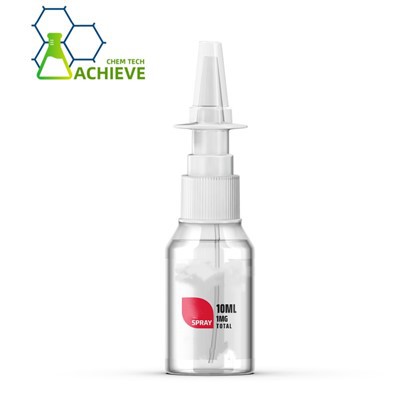
Argipressin injection (CAS number 113-79-1) is a cyclic nonapeptide hormone synthesized by neurons in the hypothalamic supraoptic and paraventricular nuclei. Its chemical essence is the acetate form of arginine vasopressin (AVP). As an important neurotransmitter in the central nervous system, AVP plays a crucial role in multiple physiological systems, including fluid balance, cardiovascular function, thermoregulation, cognitive function, and stress response, by binding to specific receptors on the surface of target organ cells.
Our product Form


Argipressin COA
 |
||
| Certificate of Analysis | ||
| Compound name |
|
|
| Grade | Pharmaceutical grade | |
| CAS No. | 113-79-1 | |
| Quantity | 60g | |
| Packaging standard | PE bag+Al foil bag | |
| Manufacturer | Shaanxi BLOOM TECH Co., Ltd | |
| Lot No. | 202501090053 | |
| MFG | Jan 9th 2025 | |
| EXP | Jan 8th 2028 | |
| Structure |
|
|
| Item | Enterprise standard | Analysis result |
| Appearance | White or almost white powder | Conformed |
| Water content | ≤5.0% | 0.45% |
| Loss on drying | ≤1.0% | 0.53% |
| Heavy Metals | Pb≤0.5ppm | N.D. |
| As≤0.5ppm | N.D. | |
| Hg≤0.5ppm | N.D. | |
| Cd≤0.5ppm | N.D. | |
| Purity (HPLC) | ≥99.0% | 99.90% |
| Single impurity | <0.8% | 0.25% |
| Total microbial count | ≤750cfu/g | 80 |
| E. Coli | ≤2MPN/g | N.D. |
| Salmonella | N.D. | N.D. |
| Ethanol (by GC) | ≤5000ppm | 400ppm |
| Storage | Store in a sealed, dark, and dry place below -20°C | |
|
|
||
|
|
||


Information
| Chemical Formula: | C46H65N15O12S2 |
| Exact Mass: | 1083 |
| Molecular Weight: | 1084 |
| m/z: | 1083 (100.0%), 1084 (49.8%), 1085 (12.1%), 1085 (9.0%), 1084 (5.5%), 1086 (4.5%), 1085 (2.8%), 1085 (2.5%), 1086 (1.9%), 1086 (1.2%), 1087 (1.1%) |
| Elemental Analysis: | C, 50.96; H, 6.04; N, 19.38; O, 17.71; S, 5.91 |
Argipressin injection, as a multifunctional neuropeptide hormone, has physiological effects covering multiple dimensions such as fluid balance, cardiovascular regulation, and neuroprotection. In clinical applications, it is not only a "life-saving drug" for septic shock and cardiopulmonary resuscitation, but also a routine treatment for diabetes insipidus and variceal bleeding.
Antidiuretic effect: treating fluid balance disorders

Central diabetes insipidus
Central diabetes insipidus is a series of diseases characterized by polyuria, thirst, low specific gravity urine, and hypotonic urine, caused by insufficient synthesis, secretion, or release of antidiuretic hormone (AVP) due to hypothalamic pituitary lesions. AVP, as a core drug for treating central diabetes insipidus, has a highly precise mechanism of action: it specifically binds to the V2 receptor on the basal membrane of renal collecting duct epithelial cells, activates intracellular adenylate cyclase (AC), promotes elevated levels of cyclic adenosine monophosphate (cAMP), and triggers the activation of protein kinase A (PKA). PKA phosphorylates a series of downstream target proteins, ultimately upregulating the expression of aquaporin-2 (AQP2) and promoting its transport from intracellular vesicles to the luminal membrane, forming functional water channels.
This process significantly enhances the permeability of the renal collecting ducts to water, greatly improving the efficiency of water reabsorption. As a result, urine output is reduced by 50% -80%, and urine osmotic pressure can be restored from a low osmotic state (<300 mOsm/kg H ₂ O) to near normal levels (600-1200 mOsm/kg H ₂ O). In clinical practice, alternative treatment of AVP can significantly improve patient symptoms: reducing the frequency of polyuria from tens of times a day to several times a day, significantly alleviating irritability and thirst, significantly improving nighttime sleep quality, and fundamentally improving quality of life. Long term use requires regular monitoring of blood sodium, urine osmotic pressure and other indicators to avoid water retention or hypernatremia and other complications.


Nocturnal enuresis
Nocturnal enuresis is a common developmental disorder in children, which refers to the involuntary urination of children over 5 years old during sleep, occurring at least twice a week and lasting for more than 3 months. Its pathogenesis involves multiple factors such as insufficient secretion of antidiuretic hormone at night, reduced bladder capacity, and sleep wake disorders. AVP has become one of the important methods for treating nocturnal enuresis by supplementing the physiological secretion deficiency of antidiuretic hormone at night. Research has shown that oral administration of AVP analogs (such as desmopressin) before bedtime in children aged 6 and above can significantly reduce nighttime urine output, prolong the time of first urination, and reduce the frequency of enuresis.
Its mechanism of action includes: directly enhancing the reabsorption of water by the renal collecting duct and reducing nighttime urine production; By adjusting the awakening threshold of the central nervous system, children's perception of bladder filling can be improved, thereby promoting autonomous awakening and urination during sleep. In clinical applications, AVP, as a non pharmacological intervention, is usually used in combination with behavioral therapy (such as urine diary and bladder training), with a total effective rate of 60% -80%, and mild side effects (such as headache and nasal congestion), and high patient compliance.

Fluid balance regulation
Under pathological conditions such as dehydration and hyperosmolarity, the body maintains fluid balance and plasma osmotic pressure stability by finely regulating the secretion and release of AVP. When plasma osmotic pressure increases (>295 mOsm/kg H ₂ O) or blood volume decreases (>5% -10%), hypothalamic osmoreceptors and volume receptors are activated, promoting the release of AVP into the bloodstream. AVP exerts its role in regulating fluid balance through the following mechanisms:
Reduce urine excretion:
Activate the V2 receptor in the renal collecting duct, enhance water reabsorption, significantly reduce urine volume, increase urine osmotic pressure, thereby concentrating urine and retaining water.
Promote thirst sensation:
AVP acts on the hypothalamic thirst center, stimulating drinking behavior and increasing water intake.
Regulating vascular tone:
Through V1a receptor mediated vasoconstriction, reducing renal blood flow and further reducing water loss.
In clinic, the humoral balance regulation of AVP is widely used in the adjuvant treatment of dehydration, hypertonic coma, diabetes ketoacidosis and other diseases. For example, in severely dehydrated patients, exogenous supplementation of AVP can quickly correct low blood volume and restore tissue perfusion; In patients with hyperosmolarity, AVP helps gradually reduce plasma osmotic pressure by reducing the free water clearance rate, avoiding brain edema caused by a sudden drop in osmotic pressure.
Vasoconstriction effect: treating circulatory system failure

septic shock
Septic shock is a severe circulatory failure caused by systemic inflammatory response syndrome (SIRS) triggered by infection, with argipressin injection core pathophysiological mechanisms being vasodilatory hypotension, tissue hypoperfusion, and cellular hypoxia. AVP activates the V1a receptor on the membrane of vascular smooth muscle cells, triggering the G protein coupled signaling pathway, leading to the activation of phospholipase C (PLC), which in turn generates inositol triphosphate (IPv3) and diacylglycerol (DAG). IP v3 promotes the release of calcium ions from the endoplasmic reticulum calcium pool, while DAG activates protein kinase C (PKC). The synergistic effect of the two increases intracellular calcium ion concentration, triggering myosin light chain phosphorylation and ultimately leading to vascular smooth muscle contraction.
This mechanism makes AVP a key drug for the treatment of septic shock:
Boosting effect: AVP can significantly increase mean arterial pressure (MAP) and improve tissue perfusion. Low dose (0.01-0.04 U/min) can constrict renal blood vessels and reduce renal blood flow; High doses (0.1-0.4 U/min) can cause systemic vasoconstriction and increase MAP by 20% -30%.
Synergistic effect: When combined with catecholamine drugs (such as norepinephrine), AVP can enhance vascular sensitivity to catecholamines, reduce their dosage, and thus lower the risk of side effects such as arrhythmia and myocardial ischemia.
Improvement in survival rate: Multiple randomized controlled trials (RCTs) have confirmed that the combination of AVP and norepinephrine in the treatment of septic shock can reduce 28 day mortality by 10% -15%, especially for patients with poor response to simple catecholamines.


Cardiopulmonary Resuscitation (CPR)
Cardiopulmonary resuscitation is an emergency treatment measure for patients with cardiac arrest, and its success depends on the rapid restoration of coronary artery perfusion pressure (CPP) and myocardial oxygen supply. In cardiac arrest in non shockable rhythms such as ventricular arrest and avascular electrical activity, traditional adrenaline therapy may have limited efficacy due to desensitization of beta receptors or increased myocardial oxygen consumption.
AVP optimizes CPR hemodynamics through the following mechanisms:
Alternative adrenaline: AVP (40 U) can replace the first or second dose of adrenaline, and its vasoconstrictive effect does not depend on beta adrenergic receptors, avoiding the risk of arrhythmia that adrenaline may cause.
Enhancing CPP: AVP significantly increases CPP (from<10 mmHg to>20 mmHg) and promotes myocardial blood flow recovery by strongly constricting peripheral blood vessels, reducing blood return volume, and increasing intrathoracic pressure.
Improving long-term prognosis: Animal experiments and clinical studies have shown that AVP combined with adrenaline can increase the rate of spontaneous circulation recovery (ROSC) by 15% -20%, especially for patients with long-term ischemia (>10 minutes) or low-temperature cardiac arrest.


Vasodilatory hypotension
Vasodilatory hypotension is a common complication in clinical procedures such as anesthesia and cardiopulmonary bypass (CPB), which is caused by a decrease in vascular smooth muscle tone leading to a reduction in peripheral resistance. AVP, through its V1a receptor-mediated vasoconstriction, has become an effective treatment for this type of hypotension
Hypotension after anesthesia: In general anesthesia or spinal anesthesia, AVP (0.01-0.04 U/min) can quickly correct hypotension, reduce dependence on fluid resuscitation or vasoactive drugs, and avoid the risk of volume overload.
Stubborn hypotension after CPB: During CPB, the contact between blood and artificial materials activates inflammatory reactions, leading to loss of vascular tone. AVP contracts blood vessels, increases MAP, reduces the use of positive inotropic drugs such as dopamine and dobutamine, and lowers myocardial oxygen consumption and the risk of arrhythmia.
Special population application: For elderly patients or those with renal insufficiency, AVP has a more advantageous vasoconstrictive effect because argipressin injection does not rely on the renin-angiotensin system, avoiding the risk of interaction between angiotensin converting enzyme inhibitors (ACEIs) or angiotensin receptor antagonists (ARBs).

FAQ
What is argipressin used for?
It is an 'antidiuretic' which helps to prevent excess loss of water in your urine and also narrows some blood vessels in the body. Argipressin is used to treat: • diabetes insipidus. This is a rare form of diabetes causing production of large quantities of urine.
What is the difference between vasopressin and argipressin?
Vasopressin, also known as argipressin, is antidiuretic hormone, an endogenous peptide hormone released by the pituitary gland. It is a vasoconstrictor and its mechanism of action includes binding to V1 receptors on vascular smooth muscle to increase arterial blood pressure.
What is the drug vasopressin used for?
Description. Vasopressin injection is used to control the frequent urination, increased thirst, and loss of water caused by diabetes insipidus. This is a condition that causes the body to lose too much water and become dehydrated.
What does arginine vasopressin do in the body?
A hormone that helps blood vessels constrict and helps the kidneys control the amount of water and salt in the body. This helps control blood pressure and the amount of urine that is made. Arginine vasopressin is made by a part of the brain called the hypothalamus and is secreted into the blood by the pituitary gland.
Hot Tags: argipressin injection, China argipressin injection manufacturers, suppliers, salcatonin injection, intranasal desmopressin acetate, best glp 1 peptide, suprecur spray, glp1 shot, etelcalcetide structure